How to Eat to Avoid the “Three Highs” and Which Supplements People Choose

Managing the three highs starts at the dinner table, with regular exercise and routine checkups.
What are the “three highs”?
What Are the Three Highs? High Blood Pressure, High Blood Sugar and High Blood Lipids
High Blood Pressure
Blood pressure has two numbers: “systolic” and “diastolic.” Systolic pressure is the pressure of blood pumped into the arteries when the heart contracts, while diastolic pressure is measured when the heart relaxes. The values for normal blood pressure and each stage of hypertension are:
- Normal: systolic < 120 mmHg, diastolic < 80 mmHg
- Prehypertension: systolic 120–139 mmHg, diastolic 80–89 mmHg
- Stage 1 hypertension: systolic 140–159 mmHg, diastolic 90–99 mmHg
- Stage 2 hypertension: systolic ≥ 160 mmHg, diastolic ≥ 100 mmHg
High Blood Sugar
Blood sugar is the glucose in your blood. After digestion, glucose enters the bloodstream and becomes the main energy source for your cells. If insulin is not produced in sufficient amounts or does not work properly, glucose cannot enter the cells easily, so blood sugar rises and some glucose is passed in the urine. This is diabetes. In healthy people, fasting blood sugar should be below 100 mg/dL, and blood sugar two hours after a meal should be below 140 mg/dL. A fasting blood sugar above 126 mg/dL or a two-hour post-meal reading above 200 mg/dL is diagnostic of diabetes and calls for further testing and treatment.
High Blood Lipids
Fats in the blood mainly include cholesterol and triglycerides. When total cholesterol and triglycerides are too high, LDL cholesterol is elevated and HDL cholesterol is low, the condition is called hyperlipidemia. It raises the risk of cardiovascular disease and stroke and is closely linked to other chronic conditions such as high blood pressure, diabetes and kidney disease.
Who Is at High Risk for the Three Highs?
People with a family history of high blood pressure, who are overweight, who do not exercise enough, who smoke or drink heavily, who eat too much salt or fat, or who are under heavy stress are more likely to develop high blood pressure. People with a family history of diabetes, prediabetes, age over 45, a BMI above 24, little exercise, or high blood pressure or high blood lipids are more likely to develop diabetes. And people who regularly eat high-calorie, high-cholesterol and high-saturated-fat foods, who are overweight, inactive, smoke, have high work stress or a family history of inherited conditions are at high risk for hyperlipidemia.

Over-Refined Food and Eating Out Too Often
In recent years, eating habits have become heavily Westernized, with too much trans fat and unhealthy food, and people are developing the three highs at younger ages. Many people start the day with large amounts of trans fats and greasy, salty foods such as fried chicken, French fries and cake. The World Health Organization recommends keeping trans fat intake below 2 grams a day. Trans fats lower “good” cholesterol (HDL) and raise “bad” cholesterol (LDL) and triglycerides (TG), increasing the risk of cardiovascular disease.
The Three Highs Are Not Just a Problem for Heavier People
Thin people also need to watch out for the three highs. High blood pressure has many causes, including fat buildup, poor sodium metabolism, narrowed blood vessels, cervical spine problems and calcium deficiency. A short temper and hormonal imbalances can also contribute. When thin people develop the three highs, the threat to their health is often even more serious than for people who are overweight.
How to Eat for the Three Highs: Prevention Starts at the Dinner Table
Improve Your Eating Habits
- Reduce total fat and saturated fat. Choose low-oil cooking methods such as steaming, stewing and cold-dressed dishes, and avoid pan-fried, deep-fried and high-fat foods.
- Cook with healthy oils such as olive oil or peanut oil, and cut back on high-cholesterol foods.
- Eat more fiber by choosing whole grains, and avoid refined desserts and sugary drinks.
- Limit salt and use fewer high-sodium seasonings.
Exercise Regularly
Get at least 150 minutes of moderate exercise a week, such as stretching, housework, jogging or cycling. Exercise helps lower your risk of the three highs.
Don’t Smoke
Smoking increases the risk of developing the three highs, so quit right away.
Check Your Numbers Regularly
Follow your doctor’s instructions on medication and follow-up visits, and keep an eye on your blood pressure, blood sugar and blood lipid levels.
Which Supplements Do People With the Three Highs Choose? Pick a Trusted Brand
As health awareness grows, many people not only improve their diet and build exercise habits to prevent the three highs, but also turn to supplements such as wild bitter melon, bitter melon peptide, triphala, amla, C3 curcumin, fish oil, red yeast rice, oats, ginseng, astaxanthin or chlorella. Among these, wild bitter melon, bitter melon peptide, triphala, amla and C3 curcumin are the most popular.
- Wild bitter melon: Wild bitter melon offers several health benefits, including support for blood sugar, anti-inflammatory effects and better digestion. Its charantin and plant insulin (polypeptide-p) may help lower blood sugar, which is especially relevant for people with diabetes. Wild bitter melon also has anti-inflammatory properties that may reduce inflammation in the body, and it supports intestinal movement to improve digestion and help prevent constipation.
- Bitter melon peptide: The main benefits of bitter melon peptide include support for healthy blood pressure, better metabolism and stronger immunity. It may help relax blood vessels and lower blood pressure, which can benefit people with hypertension. Bitter melon peptide may also help balance fat metabolism and reduce fat accumulation, supporting weight management. It contains a range of antioxidants that support immune function as well.
- Triphala: In traditional practice, triphala is used to clear heat and toxins, moisten the intestines to ease bowel movements, and nourish the liver and kidneys. It helps the body eliminate toxins and promotes intestinal movement to relieve constipation, while also nourishing the liver and kidneys to support overall health.
- Amla: Amla (Indian gooseberry) is rich in vitamin C and polyphenols. It is a powerful antioxidant that helps protect cells from aging and offers multiple benefits for the liver and immune system. Its liver-protective effects may reduce liver damage and support liver cell regeneration. Amla also supports the immune system, strengthening the body’s defenses against colds and other infections.
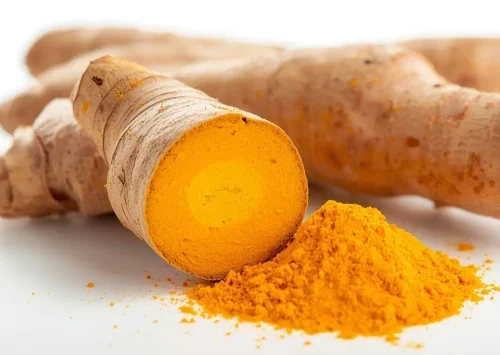
- C3 curcumin: C3 curcumin is a potent anti-inflammatory with significant antioxidant capacity that also supports digestion. It may reduce inflammation in the body, which is especially helpful for inflammatory conditions such as arthritis. Its antioxidant properties help protect cells from free radical damage and reduce the risk of chronic disease. It also stimulates bile secretion, supporting digestion, nutrient absorption and gut function.
Conclusion: Managing the Three Highs Depends on Healthy Habits and Regular Checkups
The three highs are well-known “lifestyle diseases,” but that is no reason to simply accept them as inevitable. Taiwan’s Health Promotion Administration reminds the public that actively managing the three highs through a healthy lifestyle and consistent medical care can effectively lower your risk.