[Healthcare 520 Feature] 70% of His Kidney Patients Have Diabetes: Why Nephrologist Dr. Jason Fung Doesn’t Recommend Small, Frequent Meals
How often you eat, and how long you go between meals, may matter for insulin and metabolic health, not just what you eat.
“Small, frequent meals” is advice almost everyone has heard. If you have stomach problems, someone suggests small, frequent meals; if your blood sugar is unstable, someone else says you should eat small, frequent meals too. Over time, it can seem like small, frequent meals are the safest way to eat no matter the situation.
But did you know that the medical community doesn’t actually have a single, unanimous answer about how many meals we should eat each day?
Canadian nephrologist Dr. Jason Fung has long focused on the relationships among obesity, diabetes and kidney disease. In his clinical work, he observed that many of his kidney patients also had diabetes and obesity, which led him to consider a different question:
Should we pay attention not only to what we eat, but also to how many times a day we eat and how long we go between meals?
His view is blunt: people today may not just be eating too much; they may be eating too often.
Are Small, Frequent Meals Good for You? First, Understand What Insulin Does
To understand why Jason Fung doesn’t encourage frequent eating, you first need to understand insulin.
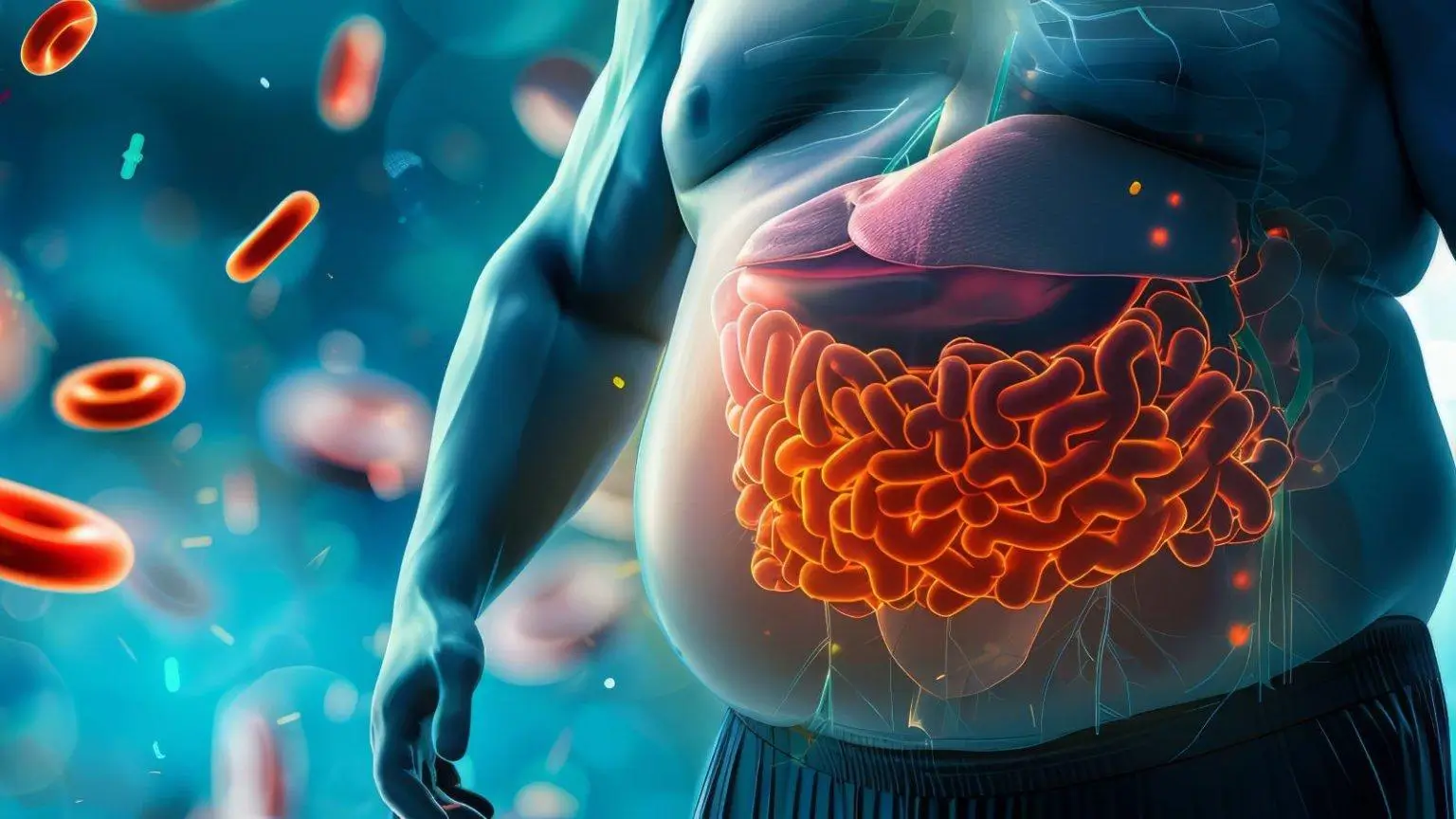
Insulin is an important hormone secreted by the pancreas. Every time we eat, the nutrients in our food are digested and absorbed, blood sugar changes, and insulin steps in to help the body use or store energy.
Besides regulating blood sugar, insulin also affects how fat is stored and broken down.
Why Is Constant Snacking Between Meals Worth Watching?
Jason Fung believes that each time you eat, your body produces an insulin response to some degree. If you eat breakfast in the morning, have a snack a little later, eat lunch at noon, have a sugary drink in the afternoon, eat dinner in the evening and then a late-night snack before bed, your body keeps re-entering its post-meal metabolic state.

He believes that eating frequently over the long term may leave the body without enough fasting time, reducing its chances to draw on stored energy.
However, insulin varies with the type and amount of food and with each person’s physiology. Not every meal raises insulin to the same degree, and you can’t determine whether someone has insulin resistance based only on how often they eat.
Using a Refrigerator and a Freezer to Understand How the Body Stores Energy
When explaining how the body stores energy, Jason Fung uses an easy-to-understand analogy.
Imagine your body is a house:
- Glycogen: is like the refrigerator in the kitchen. Its storage capacity is limited, but it’s relatively easy to access.
- Fat: is like a large freezer in the basement. It can store much more energy, but the body has to go through metabolic regulation to access it.
After we eat, the body first uses the energy from food and stores some of it as glycogen or fat. When the gap between meals lengthens and insulin falls, the body gradually draws more on its stored energy.
Dr. Fung believes that if you eat something every two or three hours, your body may spend less time in the state where it burns stored fat.
That’s why he places so much emphasis on the time between meals, not just on the type of food.
How Is Insulin Resistance Related to Frequent Eating?
Insulin resistance is a very important topic in modern metabolic health.
When the body becomes less responsive to insulin, the pancreas may need to secrete more insulin to keep blood sugar regulated normally.
Jason Fung believes that frequent eating over the long term may keep insulin elevated for long periods, which may be linked to insulin resistance and metabolic problems.
However, this is one of the metabolic theories he emphasizes. The development of insulin resistance involves genetics, body fat distribution, diet, activity level and other physiological factors, and at present frequent eating can’t simply be assumed to be its direct cause.
Why Doesn’t Jason Fung Recommend Snacking Between Meals?
In his book The Obesity Code, Dr. Fung makes a fairly direct recommendation:
Between two regular meals, if you don’t truly need to eat, try not to snack.
His reasoning is that people’s eating windows today often keep getting longer. Besides three meals, there’s afternoon tea, sugary drinks, cookies and late-night snacks, keeping the body in an eating state almost all day long.
He believes that spacing meals out appropriately gives the body more time in a fasted state, allowing it to gradually draw on stored energy.
He also notes that people’s eating habits used to be far less frequent than they are today. The time between dinner and the next morning’s breakfast may naturally have formed a fairly long fasting period.
So rather than jumping straight into a complicated fasting plan, start by taking a look at your snacking, sweet drinks and late-night eating habits.
Are Small, Frequent Meals Really Worse? The Medical Community Hasn’t Reached a Verdict
At this point, you might ask: if frequent eating may keep insulin from coming down, should everyone switch to two meals a day?
It’s not that simple.
Medical research on small, frequent meals, three meals a day and meal frequency has produced mixed results.
Research cited in the original discussion indicates that as long as total daily calories are well controlled, splitting food into several meals may not have much effect on weight-loss results. Other research has found that, under certain study conditions, splitting the same food into more small portions doesn’t necessarily produce a higher insulin response than three meals a day.
This means you can’t decide which way of eating is healthier just by looking at how many times a day you eat.
Studies differ in their participants, food composition, total calories, meal timing and length of observation, so their results can’t necessarily be applied directly to everyone.
What Do the Two Views Have in Common?
Although supporters of small, frequent meals and supporters of longer gaps between meals disagree about meal frequency, there’s one direction worth everyone’s attention:
- Regular meals should provide enough balanced nutrition.
- Avoid snacking constantly out of boredom or habit.
- Cut back on sugary drinks and excessive sweets.
- Pay attention to total daily calories and food quality.
- Build eating habits you can sustain long term.
So there’s no need to rush to eat only one meal a day, and no need to believe you must eat something every two or three hours.
Is Eating Only One Meal a Day Healthier? It Isn’t Right for Everyone
Some people go a step further and try eating just one meal a day (OMAD), hoping to manage their weight and improve their metabolism by extending their fasting time.
The author of the original piece also shared his own experience of eating one meal a day and said he had adapted to it.
But this is simply a personal lifestyle habit and doesn’t mean it suits everyone.
Eating only one meal a day may make it hard for some people to get enough protein, vitamins, minerals and total energy, and may cause extreme hunger or other discomfort. For people with certain health conditions, long periods without food can even pose health risks.
In particular, people who take blood sugar-lowering medication or inject insulin should never change their meal timing or start fasting on their own.
These People Should Not Extend Their Fasting Time on Their Own
Small, frequent meals are not a wrong way to eat. Some people actually need small, frequent meals to reduce the burden of each meal or to manage a health condition.
The following people in particular should consult a healthcare professional first:
- People taking insulin or blood sugar-lowering medication: Extending fasting time or skipping meals may cause low blood sugar. Talk with your doctor about your medication and meal plan first.
- People with gastrointestinal conditions or who have had gastrointestinal surgery: Some patients need small, frequent meals to match their digestion and absorption.
- People with kidney disease: Diet needs to be tailored to kidney function, nutritional status and treatment, and fasting or high-protein diets should not be started on your own.
- Pregnant and breastfeeding women and growing teenagers: Getting enough nutrition and energy comes first, and long fasts should not be undertaken on your own.
- People who are underweight, malnourished or have eating disorders: Should not restrict their eating times or sharply cut their food intake on their own.
If you have a chronic condition or take medication, any dietary change should follow the individual advice of your doctor and dietitian.
How Does TCM View Meal Frequency? The Huangdi Neijing on Eating in Moderation
When it comes to how many meals to eat a day, Traditional Chinese Medicine (TCM) has long had its own principles of dietary wellness.
The Huangdi Neijing (The Yellow Emperor’s Classic of Internal Medicine) says:
“Eat and drink in moderation.”
These few words may look simple, but they contain an important principle of dietary wellness.
“Moderation” doesn’t just mean limiting how much you eat; it also includes meal timing and the rhythm of daily life.
Eating too much or too often may increase the body’s digestive burden, but going hungry for long periods or restricting food excessively can also affect the body.
TCM also places great importance on the spleen and stomach, holding that eating should be regular and moderate and adjusted to each person’s constitution and condition.
So “eat and drink in moderation” doesn’t mean everyone should fast; it reminds us to eat proper meals well, avoid eating without restraint, and not go to the extreme of severe dieting.
No Need to Rush Into Fasting: Start by Cutting Back on Snacks and Late-Night Eating
If you usually have afternoon tea, a snack before bed or frequent sugary drinks between meals, start with some simple lifestyle adjustments.
Start With These Five Things:
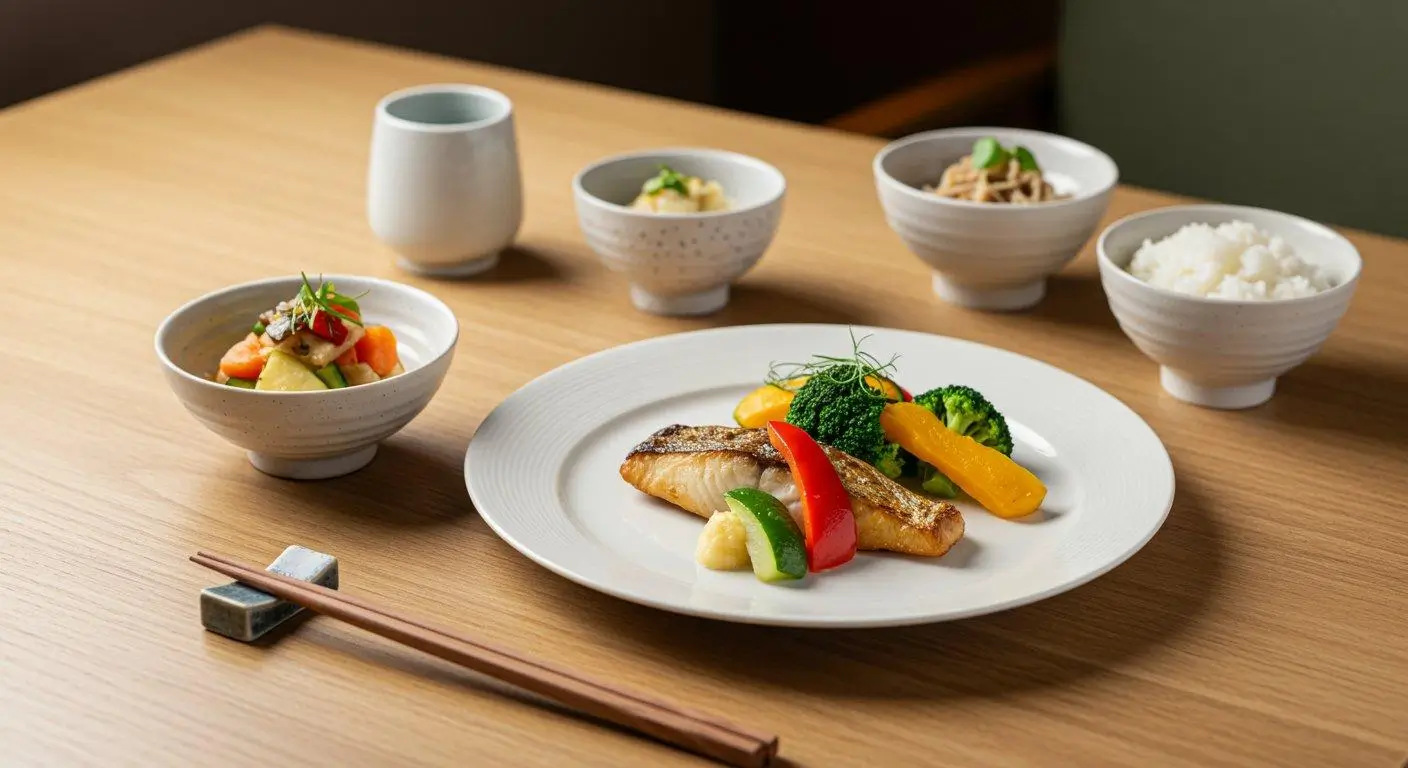
- Eat regular meals properly: Make sure each meal includes appropriate amounts of protein, vegetables and staple foods.
- Cut back on mindless snacking: Avoid eating constantly because of work stress, boredom or habit.
- Drink fewer sugary drinks: Replace sugary drinks with plain water or unsweetened beverages.
- Watch what you eat after dinner: If you’re already full, avoid habitual late-night snacking.
- Notice how your body responds: Pay attention to hunger, energy, sleep and blood sugar changes, and discuss them with a healthcare professional when needed.
These steps don’t require you to suddenly overhaul your whole life or to calculate how many hours a day you should fast. Building a regular, balanced way of eating that you can sustain long term is a more practical place to start.
Conclusion: Healthy Eating Isn’t Just About What You Eat, but Also When
Jason Fung reminds us that people today may not only eat too much but also eat too often. From the perspective of insulin and the time between meals, taking a fresh look at our snacking, sweet drinks and late-night eating habits is truly worthwhile.
But research on small, frequent meals, three meals a day and intermittent fasting still shows mixed results, and no single meal frequency suits everyone.
The TCM principle of “eating and drinking in moderation” offers a simple, practical reminder: eat balanced meals, eat in moderation, and adjust to your body’s condition.
Rather than rushing to eat only one meal a day, start by cutting back on snacks, drinking fewer sweet drinks and avoiding habitual late-night eating.
Healthcare 520 continues to focus on metabolic health, nutrition and everyday wellness, aiming to help readers build a healthier lifestyle that suits them, starting with their eating habits.
Health reminder: This article is for general health knowledge and educational reference only and does not constitute a medical diagnosis or treatment recommendation. Small, frequent meals, intermittent fasting and the number of meals per day should be adjusted to your individual health. People with diabetes, especially those using insulin or medications that can cause low blood sugar, should never extend their fasting time or change their medication dose on their own. People with kidney disease, gastrointestinal conditions or other chronic illnesses should consult a doctor or dietitian first. Dr. Jason Fung has no affiliation with Healthcare 520.