Blood Sugar Balance Through the Lens of TCM: Daily Wellness Strategies for Modern Life

TCM approaches blood sugar balance by caring for the whole body through diet, exercise, emotions, sleep and acupressure.
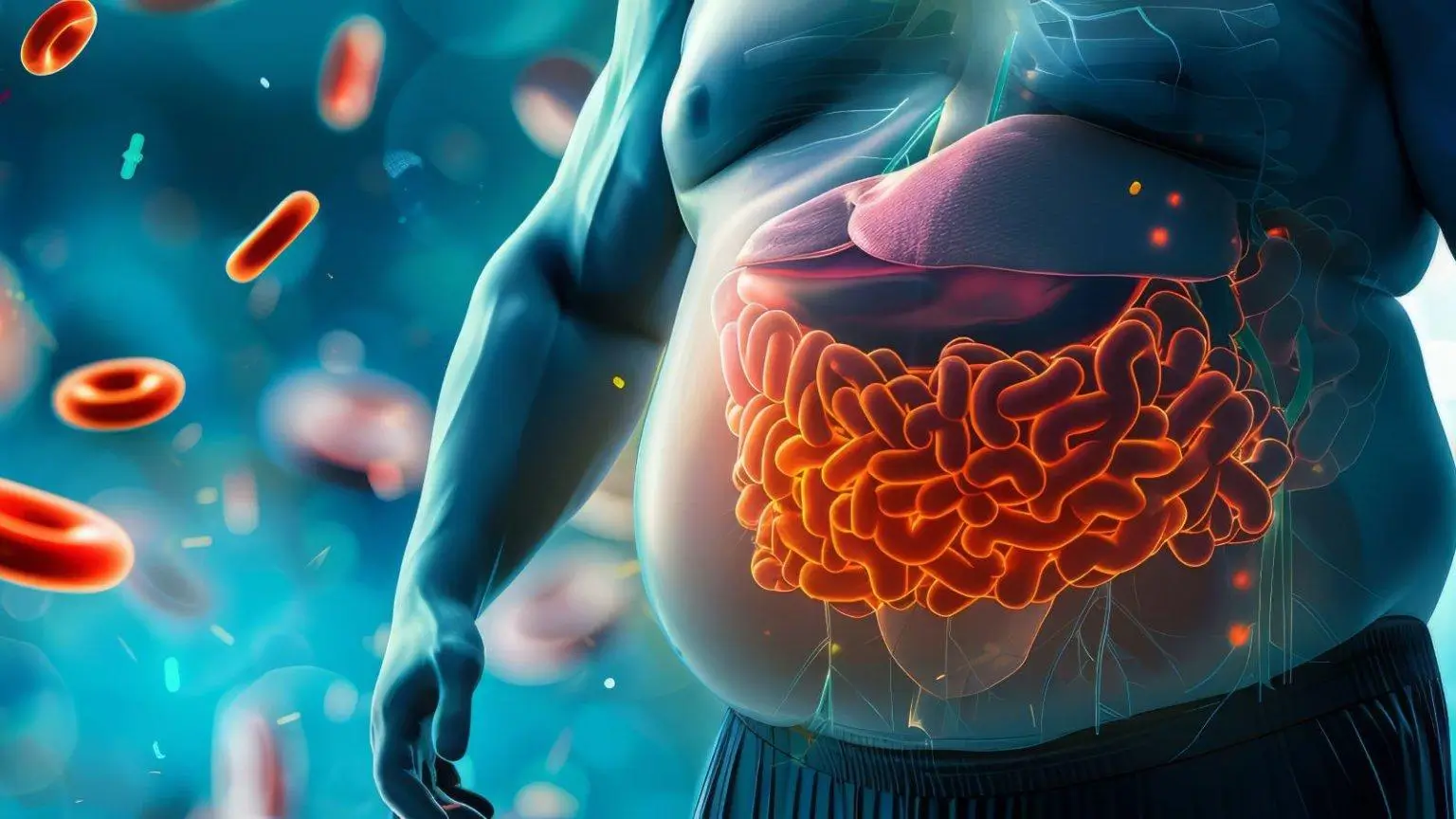
What makes blood sugar rise quickly? Eating too many sweets and refined starches are major culprits. Stress, sitting too long and lack of sleep are also important factors in blood sugar swings. Besides the blood sugar testing and treatment of modern medicine, how does Traditional Chinese Medicine (TCM) view blood sugar, and how can we help keep it in balance?
1. How TCM Understands Blood Sugar
Modern medicine links diabetes to insufficient insulin secretion or impaired insulin use. High blood sugar is a common result of poorly controlled diabetes. The TCM condition known as “xiaoke” (wasting-thirst) has similarities to diabetes in modern medicine. As early as the Huangdi Neijing (The Yellow Emperor’s Classic of Internal Medicine), it was recorded that “rich food creates internal heat, sweet food creates fullness in the middle, so the qi overflows upward and turns into wasting-thirst.” Wasting-thirst typically shows up as frequent urination, excessive thirst, excessive hunger, weight loss and weakness, or sweet-tasting urine. TCM holds that it arises from factors such as a weak inherited constitution, emotional imbalance, irregular eating and overwork, which lead to qi deficiency and a shortage of yin fluids in the body, generating internal dryness and heat.
2. TCM Wellness Strategies for Blood Sugar Balance
1. Diet
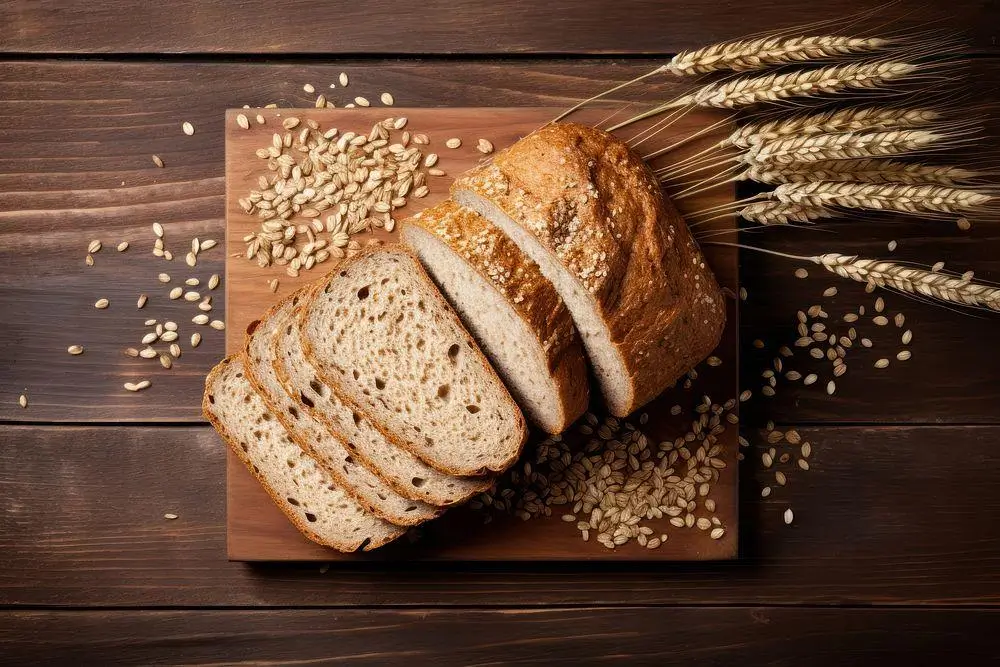
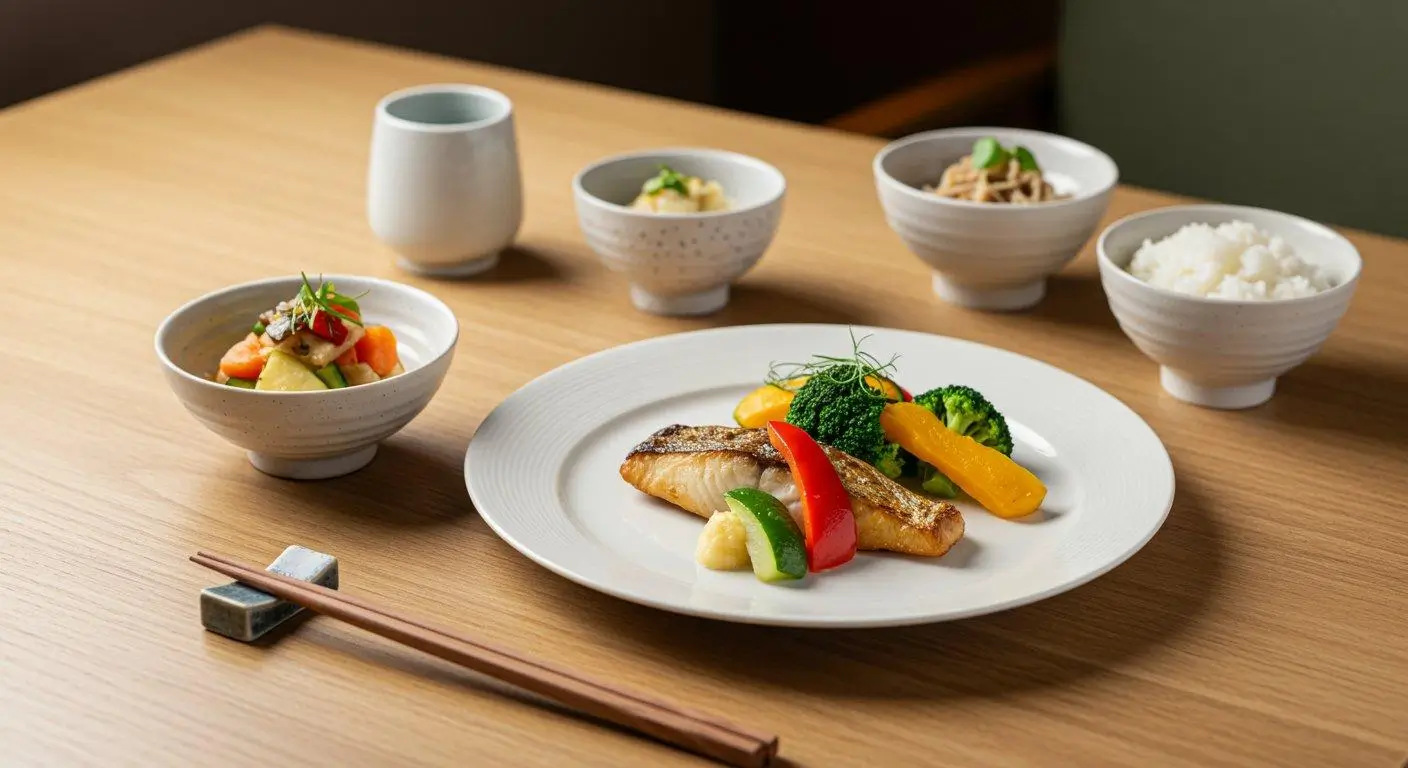
Eating fewer sweet and greasy foods helps maintain the function of the spleen and stomach (the digestive system), which indirectly supports blood sugar management. At the same time, moderate amounts of whole grains, beans and bitter vegetables, such as brown rice, black beans and kale, are beneficial for metabolic balance. A study published in Nature found an association between bitter vegetables and improved metabolic health in people with type 2 diabetes, suggesting they may help with blood sugar control.
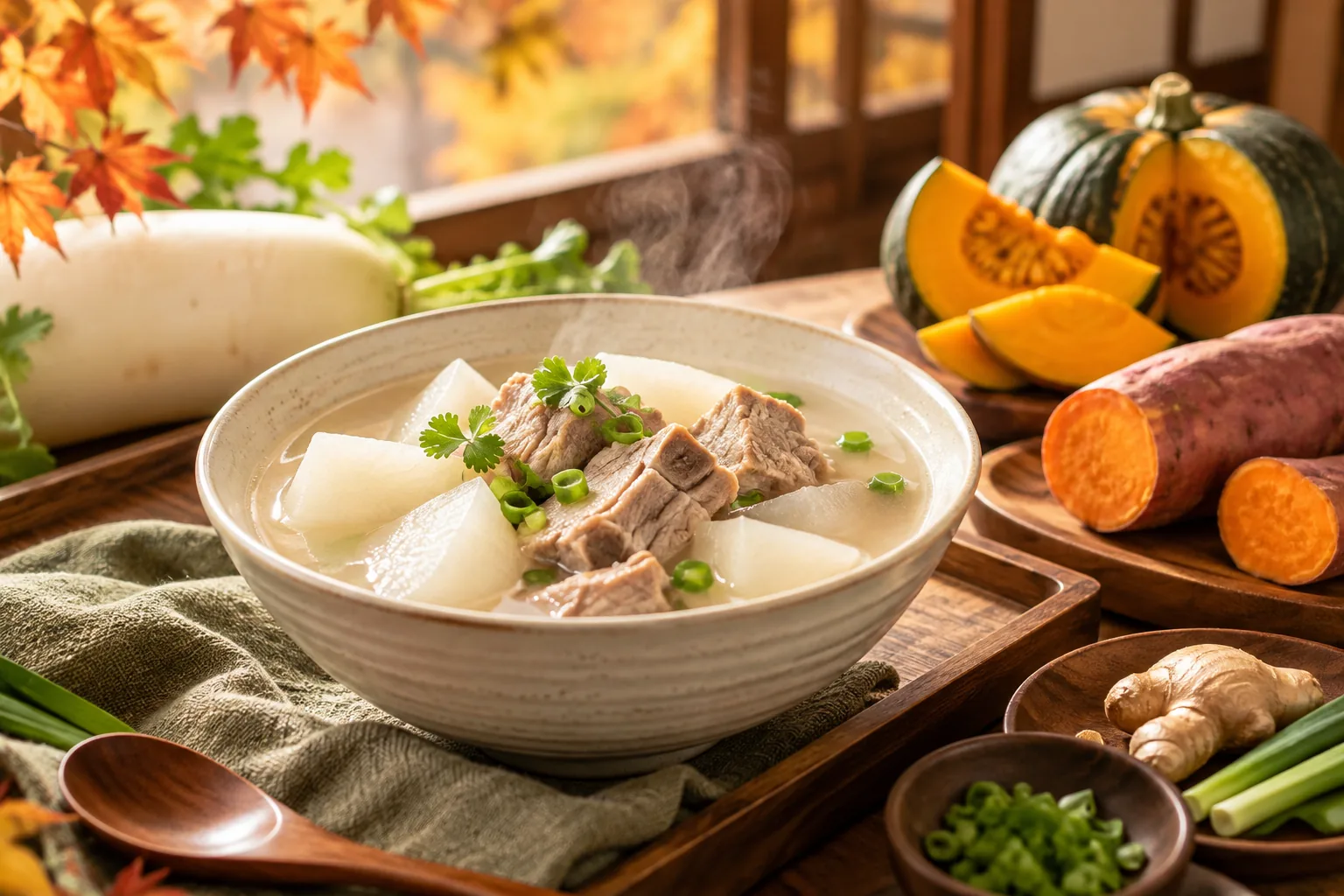
On the other hand, rich, heavy foods like cake, fried chicken and barbecue tend to hinder digestion. It’s like coating the spleen and stomach in a layer of oil, impairing digestion and adding to dampness and turbidity in the body. TCM teaches that “the spleen and stomach are the foundation of postnatal life”: most of the nutrients the body needs for daily activity depend on the spleen and stomach to absorb and transform them, so when the spleen and stomach are damaged, health suffers.

2. Exercise
TCM holds that “movement generates yang.” Moderate exercise lifts yang energy and promotes the flow of qi and blood, helping the body improve its metabolic capacity.
3. Emotions
In TCM, emotions and physical health are closely connected. Excessive emotions disrupt qi and blood, directly affecting organ function and, in turn, indirectly affecting blood sugar.
4. Sleep
Stay soundly asleep from 11 p.m. to 3 a.m. This is an important time for qi and blood to circulate through the liver and gallbladder meridians. Staying up late during these hours affects how the liver and gallbladder function and how the body clears toxins, which can worsen blood sugar problems.
5. Acupressure Points
A study showed that acupuncture at certain specific points can, to some extent, ease the clinical symptoms of type 2 diabetes, such as improving HbA1c and fasting blood glucose (FBG).
You can massage two points that are traditionally used to help regulate blood sugar. Press and knead each point 100 times per session, 2 to 3 times a day.
- The “Jiangtang” (blood sugar-lowering) point: located between the two tendons, five finger-widths above the wrist crease.
The Jiangtang point is traditionally associated with pancreatic function and the digestive system, and is commonly used in clinical practice to help regulate blood sugar.
- The Yishu (pancreas) point: located on the back, two finger-widths to the side of the spine, below the spinous process of the eighth thoracic vertebra.
The Yishu point is associated with the pancreas. It is used to regulate the pancreas’s endocrine function and help it secrete more insulin, thereby improving blood sugar control.
3. A “Little Helper” for Daily Metabolic Health
Besides the TCM approaches above, people today can also consider dietary supplements to complement their daily diet. For example, Herbtail GlucoMetabol is designed around a combination of TCM’s whole-body view, Ayurvedic philosophy and modern nutrition. It emphasizes supporting metabolic health on multiple levels, treating the body as a whole (a small universe) for care and wellness, and can serve as a dietary supplement for people who pay attention to blood sugar, blood lipids and metabolic balance.
Ingredient highlights of Herbtail GlucoMetabol:
- Stable blood sugar: Bitter melon, bitter melon peptide, fenugreek, chromium, zinc and ashwagandha may help regulate blood sugar, improve insulin sensitivity and maintain steady energy. A paper published in the International Journal of Molecular Sciences found that fenugreek may improve overall glycemic control parameters and lipid profiles.
- Healthier blood lipids: Green tea, turmeric, amla, triphala and black pepper help regulate cholesterol and triglycerides and maintain balanced blood lipids.
- Support for blood pressure and circulation: Herbs such as cinnamon, Siberian ginseng and rhodiola can promote circulation and help maintain healthy blood pressure and cardiovascular function. Research suggests that water-soluble compounds in rhodiola may help improve blood pressure.
- Comprehensive antioxidant protection: Vitamin C, selenium yeast and vitamin D2 provide strong antioxidant support, helping reduce free radical damage and maintain overall health and immune balance.
Conclusion: Daily Blood Sugar Care From the Perspective of “Treating Illness Before It Arises”
TCM emphasizes “treating both the root and the branch.” Balancing blood sugar is not just about the numbers; it’s about bringing the whole body into harmony. A healthy daily routine, good eating habits, stable emotions and moderate exercise are the foundation of long-term health. TCM also values “treating illness before it arises,” emphasizing that early care in daily life is often more important than treatment after the fact.
Please note that diabetes and blood sugar problems are chronic metabolic conditions that should be managed comprehensively under the guidance of a qualified physician. TCM wellness practices, diet and exercise, and appropriate dietary supplements can only serve as daily support.