How Does TCM View Today’s Obesity Problem? A Practical Guide to Herbal Support

TCM approaches weight management by first identifying your constitution and pattern.
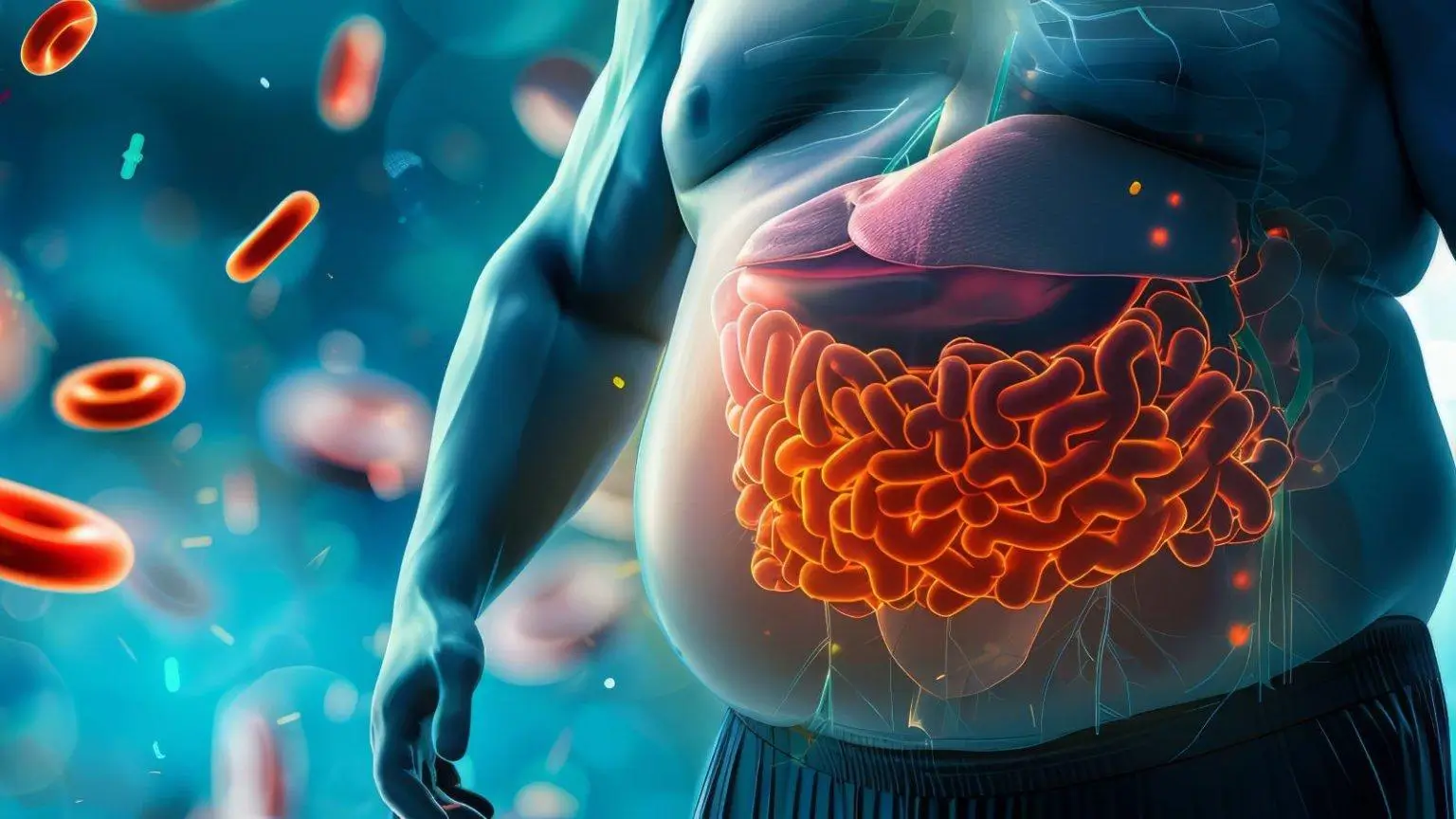
According to the World Health Organization, one in eight people worldwide is living with obesity. As sitting at a desk all day, eating out frequently, a taste for sweets and chronic stress have become the norm, obesity rates have climbed year after year. Obesity doesn’t just affect appearance; it also increases the risk of chronic diseases such as diabetes and cardiovascular disease, which can affect life expectancy.
Modern medicine holds that obesity develops when the body takes in more calories than it burns, and that it is closely linked to genetics, eating habits, hormones and metabolic function. So how does Traditional Chinese Medicine (TCM) view obesity?
1. How TCM Understands Obesity
TCM considers obesity closely related to irregular eating, inherited constitution, emotional imbalance, and the weakening that comes with age. Eating too many high-fat, high-sugar and high-calorie foods damages the spleen and stomach, generating internal damp-heat and phlegm-dampness that lead to obesity. As we age, yang energy declines and the spleen and kidneys weaken, throwing the body’s metabolism out of balance. The body struggles to transform food into usable nourishment and tends to store fat.
2. Common TCM Patterns of Obesity
TCM divides obesity into two broad categories: “excess” patterns and “deficiency” patterns. Excess patterns are more common in younger, sturdier people, such as stomach heat and fire stagnation, or qi stagnation with blood stasis. Deficiency patterns are more common in middle-aged and older people, such as spleen deficiency with phlegm-dampness, or spleen and kidney yang deficiency. Excess patterns indicate strong pathogenic factors, which are addressed by clearing them out of the body. Deficiency patterns indicate depleted qi and blood, which are addressed by tonifying. Here are four common TCM patterns of obesity:
1. Stomach Heat and Fire Stagnation
This type typically shows up as a sturdy build, eating a lot and getting hungry easily, dry mouth and tongue, aversion to heat and constipation. Baihu Tang combined with Xiao Chengqi Tang may be used to clear heat and open the bowels.

2. Qi Stagnation and Blood Stasis
This type typically shows up as frequent sighing, discomfort in the chest and ribs, and dark lips. Xuefu Zhuyu Tang is commonly used to regulate qi, relieve stagnation and promote blood circulation.
3. Spleen Deficiency With Phlegm-Dampness
This type typically shows up as low energy, tiring easily, shortness of breath, a weak voice and stomach bloating. Liu Junzi Tang is suitable for strengthening the spleen and resolving dampness.
4. Spleen and Kidney Yang Deficiency
This type typically shows up as tiring easily, cold hands and feet, and aversion to cold. Zhenwu Tang combined with Linggui Zhugan Tang may be used to strengthen the spleen and tonify the kidneys.
3. Three TCM Herbal Teas
1. Hawthorn, Cassia Seed and Tangerine Peel Tea
Coarsely crush 15 g of cassia seed and place it in a filter bag with 4 g of hawthorn and some tangerine peel. Steep in 600 ml of boiling water for 15 minutes, then drink. This tea is suited to people who carry weight around the waist and abdomen.
Research has found that cassia seed can protect the liver, improve high blood lipids and diabetes, and promote bowel movements. Some studies show that the procyanidins abundant in hawthorn support fat metabolism, improve insulin resistance and fatty liver, and reduce the negative effects of a high-fat diet on gut bacteria. Tangerine peel helps regulate digestion.
2. Lotus Leaf Tea
Steep 15–20 g of lotus leaf and 6 g of green tea in boiling water for 15 minutes, then drink.
Some studies show that lotus leaf extract can improve obesity-related conditions. Lotus leaf tea helps boost metabolism. Don’t drink too much of this tea, as it can cause diarrhea.
3. Poria, Codonopsis and Rose Tea
Place 12 g of poria, 3 g of codonopsis and 4–6 rosebuds in a filter bag. Steep in 600 ml of boiling water for 15 minutes, then drink. This tea is suited to people who carry weight in the lower body. Some studies show that poria can improve spleen deficiency patterns and support digestion and fluid metabolism. Codonopsis replenishes qi, while rose helps regulate qi, promote blood circulation, boost metabolism and support a healthy complexion. This tea is not suitable for women who are trying to conceive or who are pregnant.
4. No Time to Brew Tea? Everyday Herbal Wellness Options
Modern life moves fast, and we often don’t have time to prepare medicinal meals or herbal teas. In that case, dietary supplements built on herbal principles can be a convenient option for daily metabolic support. For example, Herbtail GlucoMetabol combines a range of herbal ingredients. Its design is based on the TCM wellness principle of “clearing what is in excess” to restore the body’s yin-yang harmony, making it suitable as a daily nutritional supplement.
Please note, however, that the herbal formulas and dietary supplements above should be used as part of a comprehensive plan under the guidance of a qualified practitioner.