An Herbal Handbook: The TCM Principles Behind Herbtail GlucoMetabol

Modern pharmacological research shows that curcumin has anti-inflammatory, antioxidant and anticancer properties.
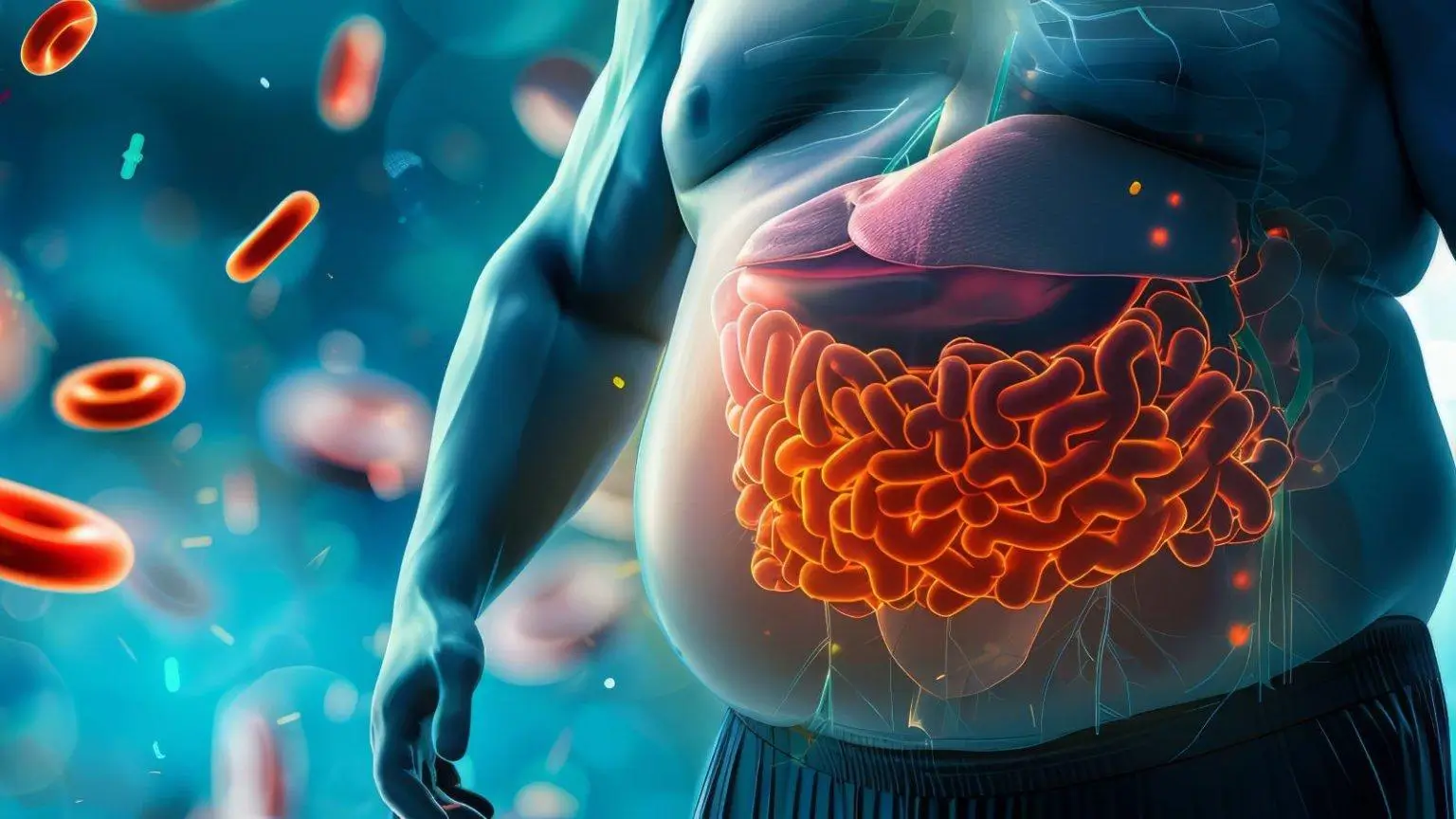
In today’s fast-paced life, the “three highs” (high blood pressure, high blood lipids and high blood sugar) have become something almost everyone talks about. Eating out often, sitting for long periods, excessive stress and lack of sleep keep the body in a prolonged state of metabolic imbalance. Traditional Chinese Medicine (TCM) holds that this is not caused by the malfunction of any single organ, but by a lack of coordination among the spleen, liver and kidneys.
1. Metabolic Balance From a TCM Perspective
The Huangdi Neijing (The Yellow Emperor’s Classic of Internal Medicine) states: “When blood and qi are not in harmony, all kinds of illness arise.” TCM holds that metabolic problems are rooted in poor circulation of qi and blood and disordered production and transformation of body fluids. The liver governs the free flow of qi, the spleen governs transformation and transport, and the kidneys govern qi transformation; all three work together in the body’s metabolism. When the spleen fails to transform and transport properly, dampness and turbidity build up, leading to fat accumulation and digestive problems. When liver qi stagnates, qi and blood become stuck, leading to emotional problems and physical pain. When kidney qi is insufficient, qi transformation weakens and fluid metabolism is disrupted.
That is why TCM emphasizes “clearing within tonifying, and nourishing within clearing” when supporting metabolism: opening up the flow while nourishing, and nourishing while clearing, to achieve yin-yang balance and smooth circulation of qi and blood. When the body returns to harmony, its capacity for self-healing and healthy metabolism naturally reawakens.
2. The Formulation Philosophy of Herbtail GlucoMetabol
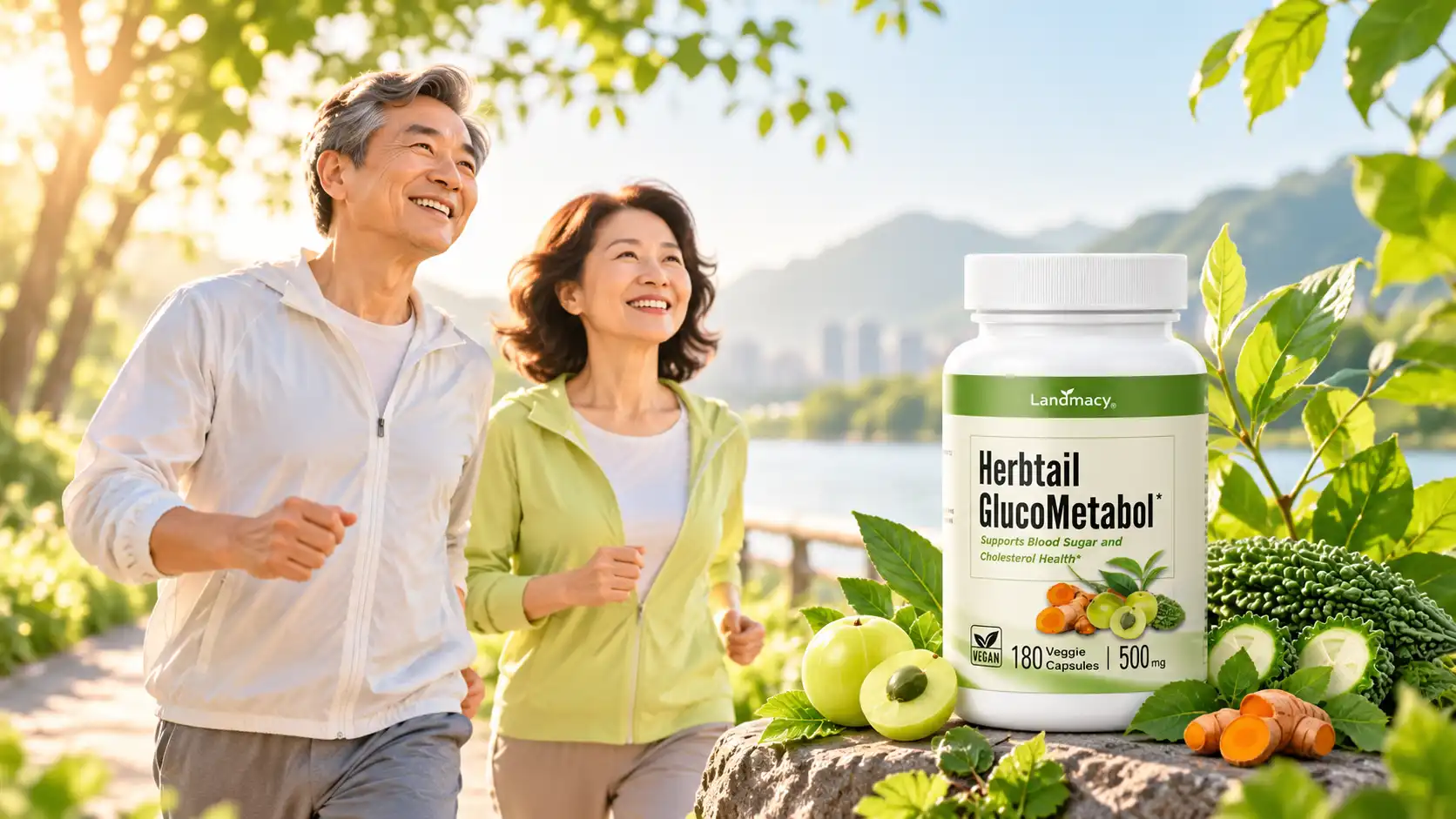
Traditional Chinese herbal formulas follow the principle of “sovereign, minister, assistant and envoy.” The sovereign herb targets the main pattern; the minister herb supports the sovereign to strengthen its effect; the assistant herb harmonizes the formula, addresses secondary patterns and tempers any extremes of the main herb; and the envoy herb guides the formula’s action to where it is needed or harmonizes all the herbs. This principle also inspired the design of the Herbtail GlucoMetabol dietary supplement, which relies on the synergy among its ingredients to support harmony in the body’s functions and metabolism.
Taoist thought views the human body as a small universe whose structure mirrors the workings of the cosmos. When the body’s yin and yang fall out of balance and qi and blood do not flow smoothly, all kinds of discomfort appear. By following nature and harmonizing qi and blood, the body returns to balance.
Herbtail GlucoMetabol’s design is also inspired by this idea. Using phytonutrients, vitamins, minerals and other components from natural plants, combined in a unique formula and formula structure, it provides the raw materials the body needs for healing. It aims to regulate and balance the body’s functions in an all-around way, helping each organ and physiological system return to normal metabolism and naturally restoring the body’s own healing ability for better health.
3. Key Ingredients and Their TCM Rationale
The herbs in Herbtail GlucoMetabol include many plants widely used in both TCM and modern health care.
1. Amla:
Sour in taste and neutral in nature, amla enters the liver meridian. It nourishes yin, generates fluids, harmonizes the stomach and soothes the liver, supporting fluid metabolism and the smooth flow of liver qi.
2. Turmeric and Curcumin:
Bitter and pungent in taste and warm in nature, turmeric enters the spleen and liver meridians. TCM holds that it moves qi, breaks up stasis, opens the channels and relieves pain, and modern pharmacological research shows that curcumin has anti-inflammatory, antioxidant and anticancer properties.
3. Siberian Ginseng (Eleuthero):
Pungent and slightly bitter in taste and warm in nature, Siberian ginseng enters the spleen and kidney meridians. It replenishes qi, strengthens the spleen, tonifies the kidneys and calms the mind. A study showed that its compounds can improve stress resilience and support the immune system.
4. Black Pepper:
Pungent in taste and hot in nature, black pepper enters the stomach and large intestine meridians. It warms the middle, dispels cold, stimulates the appetite and aids digestion.
5. Green Tea:
The Shennong Bencao Jing (Divine Farmer’s Classic of Materia Medica) records: “Shennong tasted a hundred herbs and encountered seventy-two poisons in a day, and was relieved by tea.” Bitter in taste and cold in nature, green tea enters the heart, lung and stomach meridians. It clears heat, aids digestion, generates fluids and quenches thirst.
6. Cinnamon:
Pungent and sweet in taste and hot in nature, cinnamon enters the spleen, kidney, heart and liver meridians. It strengthens the body’s fire, supports yang, warms the channels and opens the vessels, benefiting the circulation of qi and blood.
7. Bitter Melon:
Bitter in taste and cold in nature, bitter melon enters the heart, spleen and lung meridians. It clears heat and relieves summer heat, strengthens the spleen and nourishes the liver, and is a classic example of a food that is also medicine.
The combined use of these herbs reflects TCM’s understanding of the body as a system of “yin-yang balance and organ harmony,” balancing cold and heat and caring for both qi and blood.
Conclusion: Health Comes From Harmony, and Wellness Begins With Balance
The power of herbs lies not in miraculous cures, but in reminding us that health comes from harmony and wellness begins with balance. TCM teaches that “when healthy qi is strong within, pathogens cannot invade.” When we learn to balance our minds, our energy and our diet, the body can naturally regain its capacity for self-healing and vitality. The philosophy behind Herbtail GlucoMetabol reflects a wisdom of returning to nature and following the body’s own rhythms.
Please note that the herbs and dietary supplements above should be used as part of a comprehensive plan under the guidance of a qualified practitioner.