Fatty Liver Through the Eyes of TCM: Supporting Metabolism by Addressing Spleen Deficiency and Dampness
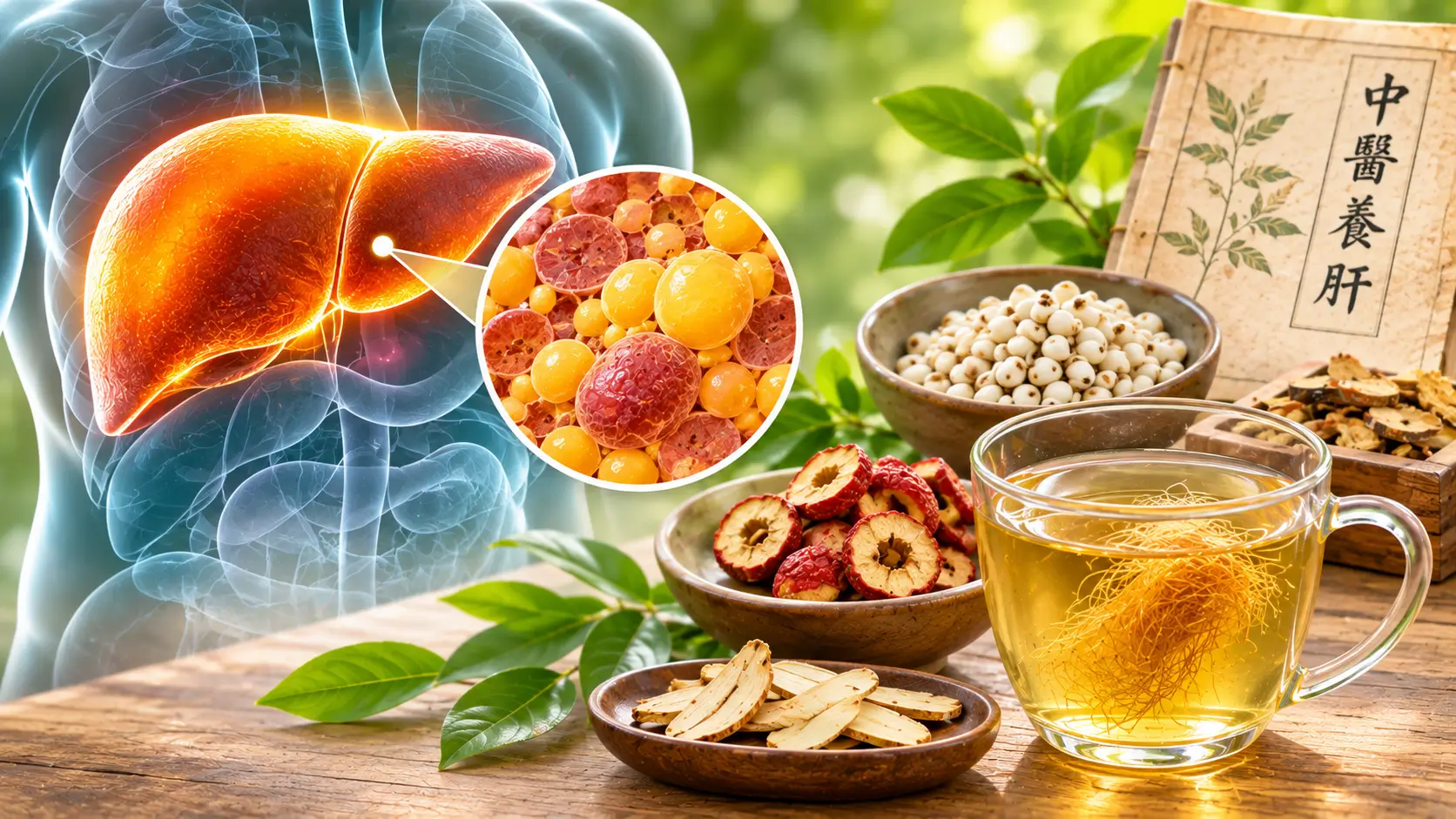
Fatty liver is closely associated with metabolic health. A balanced diet, regular exercise, and appropriate lifestyle adjustments are essential for supporting liver health and maintaining metabolic balance.
In modern life, fatty liver is no longer a rare problem. Whether you’re an office worker who eats out a lot, someone who sits at a desk all day, or even a person with a slim build, you might see the words “fatty liver” on your checkup report.
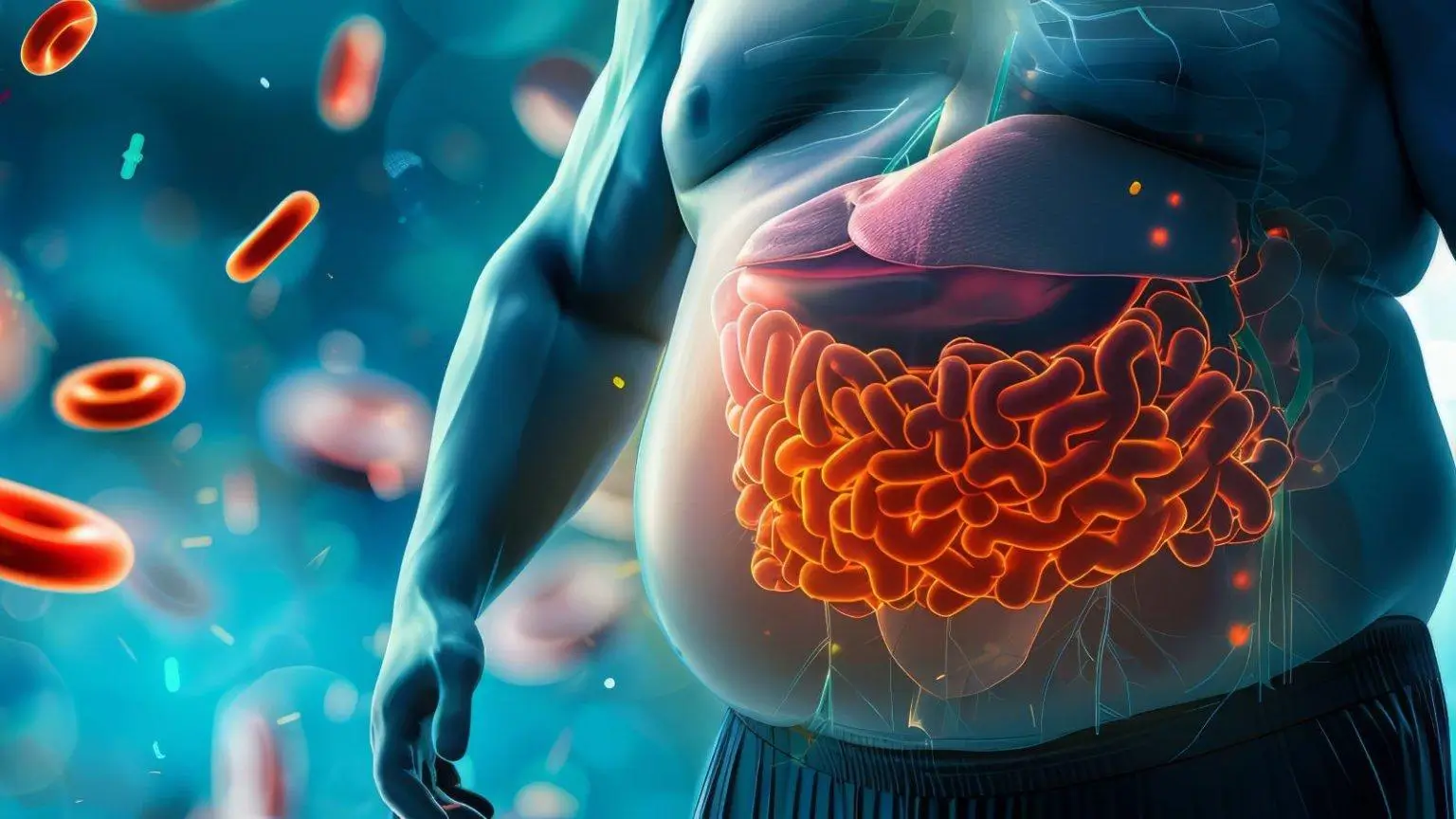
Modern medicine defines fatty liver as excessive fat buildup in liver cells, commonly linked to obesity, insulin resistance and a high-fat diet. Early symptoms are not obvious, but if it isn’t addressed over time, it can progress to liver fibrosis and cirrhosis and increase the risk of liver cancer.
So how does Traditional Chinese Medicine (TCM) view fatty liver, and how can it be addressed?
1. How TCM Understands Fatty Liver
TCM generally places fatty liver in the categories of phlegm-dampness, spleen deficiency, liver qi stagnation and damp-heat. It is not simply a liver problem, but the result of an imbalance in the body’s overall metabolism.
The Huangdi Neijing (The Yellow Emperor’s Classic of Internal Medicine) points out that “the spleen is the source of phlegm.” When the spleen and stomach don’t function well and fluids aren’t transformed, phlegm-dampness forms. When phlegm-dampness lodges in the liver’s channels, it causes qi stagnation and blood stasis, ultimately leading to fat buildup.
TCM therefore sees the core mechanism as internal obstruction by turbid phlegm, spleen deficiency with excess dampness, and liver qi stagnation. When the spleen is weak, fluids aren’t transformed; when the liver is stagnant, qi doesn’t flow freely. The two influence each other and prevent fat from being metabolized normally.
2. Common Patterns and How They Are Addressed
TCM treats fatty liver through “pattern differentiation,” with a different focus for each constitution.
1. Spleen deficiency with excess dampness: Commonly seen as a puffy build, discomfort in the upper right abdomen, fatigue, bloating and dizziness. The approach is to strengthen the spleen and drain dampness, using herbs such as poria, white atractylodes and tangerine peel.
2. Liver qi stagnation: Commonly seen as a dull ache in the upper right abdomen, fullness in the chest and ribs, headaches and low mood. The approach is to soothe the liver and relieve stagnation, using herbs such as bupleurum, cyperus and curcuma root (yu jin).
3. Liver-gallbladder damp-heat: Commonly seen as a dull or distending pain in the upper right abdomen, a dry and bitter mouth, irritability and sticky stools. The approach is to clear heat and drain dampness, using herbs such as gardenia and coptis.
4. Internal blood stasis: Stabbing pain in the ribs, pain that worsens with pressure, and a dark purple tongue. The approach is to promote blood circulation and remove stasis, using herbs such as salvia (dan shen) and red peony root.
The principle behind these formulas is to support the spleen to resolve dampness, soothe the liver to move qi, and promote blood flow to help break down fat. This approach supports organ function while promoting the circulation of qi and blood, restoring metabolic balance.
3. Everyday Liver Care
Early fatty liver damage is usually reversible, and supporting liver health depends on changing daily habits.
1. Eat a Healthy Diet
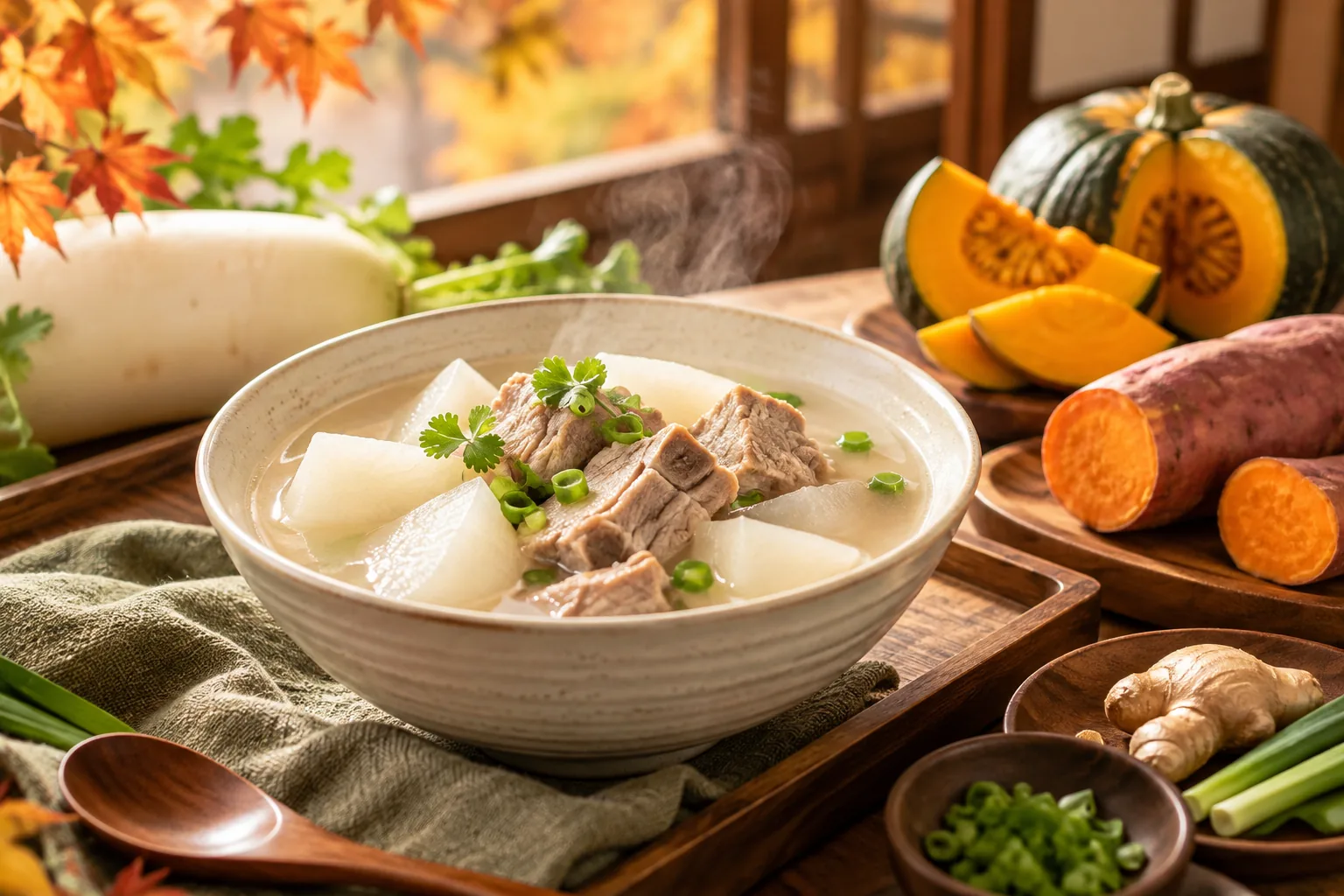
Cut back on oil and sugar, quit smoking and drinking, and reduce late-night snacks and processed foods. Eat more animal protein, high-fiber vegetables, and metabolism-supporting foods such as hawthorn and Job’s tears (coix seed).
2. Exercise Moderately
Daily aerobic exercise such as brisk walking, tai chi or yoga helps promote the circulation of qi and blood and fat metabolism.
3. Keep Your Emotions Balanced
The liver governs the free flow of qi. When emotions are blocked, liver qi tends to stagnate, which in turn affects how the liver metabolizes fat. Meditation, deep breathing and quiet sitting can help you relax.
4. Acupressure
Regularly massaging the following points can help soothe the liver, move qi, strengthen the spleen, resolve dampness and balance qi and blood, supporting the liver’s metabolic function.
Qimen point (LR14): Located directly below the nipple in the depression of the sixth intercostal space, 4 cun to the side of the front midline. This point helps soothe the liver and move qi.
Tianshu point (ST25): Located three finger-widths to the side of the navel. This point helps strengthen the spleen, resolve dampness, move qi and relieve stagnation.
Zusanli point (ST36): Located on the outer side of the lower leg, four finger-widths below the outer knee eye and one finger-width outside the front edge of the shinbone. This point supports the spleen and stomach, clears heat, resolves dampness and strengthens the body’s foundation.
Sanyinjiao point (SP6): Located on the inner side of the lower leg, four finger-widths above the tip of the inner ankle, in the depression just behind the inner edge of the shinbone. This point helps nourish blood, replenish qi and support metabolism.
Conclusion: Care for Your Liver by “Treating Illness Before It Arises”
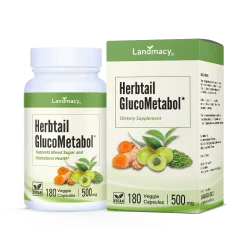
In recent years, comprehensive herbal dietary supplements based on TCM theory have also appeared, such as Herbtail GlucoMetabol, which can be combined with a healthy diet and regular exercise for daily metabolic support.
Fatty liver is often the result of a long-term metabolic imbalance. TCM values “treating illness before it arises,” emphasizing adjusting the constitution before illness becomes obvious. By strengthening the spleen to resolve dampness, soothing the liver to move qi, and balancing qi and blood, the body can return to balance. Rather than waiting to panic when your liver function tests come back abnormal, start today: eat in moderation, exercise sensibly, keep your emotions at ease, and help your liver regain its health and vitality.
Please note that the herbs and dietary supplements above should be used as part of a comprehensive plan under the guidance of a qualified practitioner.