[Healthcare 520 Feature] Eating Less and Moving More but Still Not Losing Weight? From Insulin to TCM’s Spleen and Stomach: Why Your Belly Is Growing
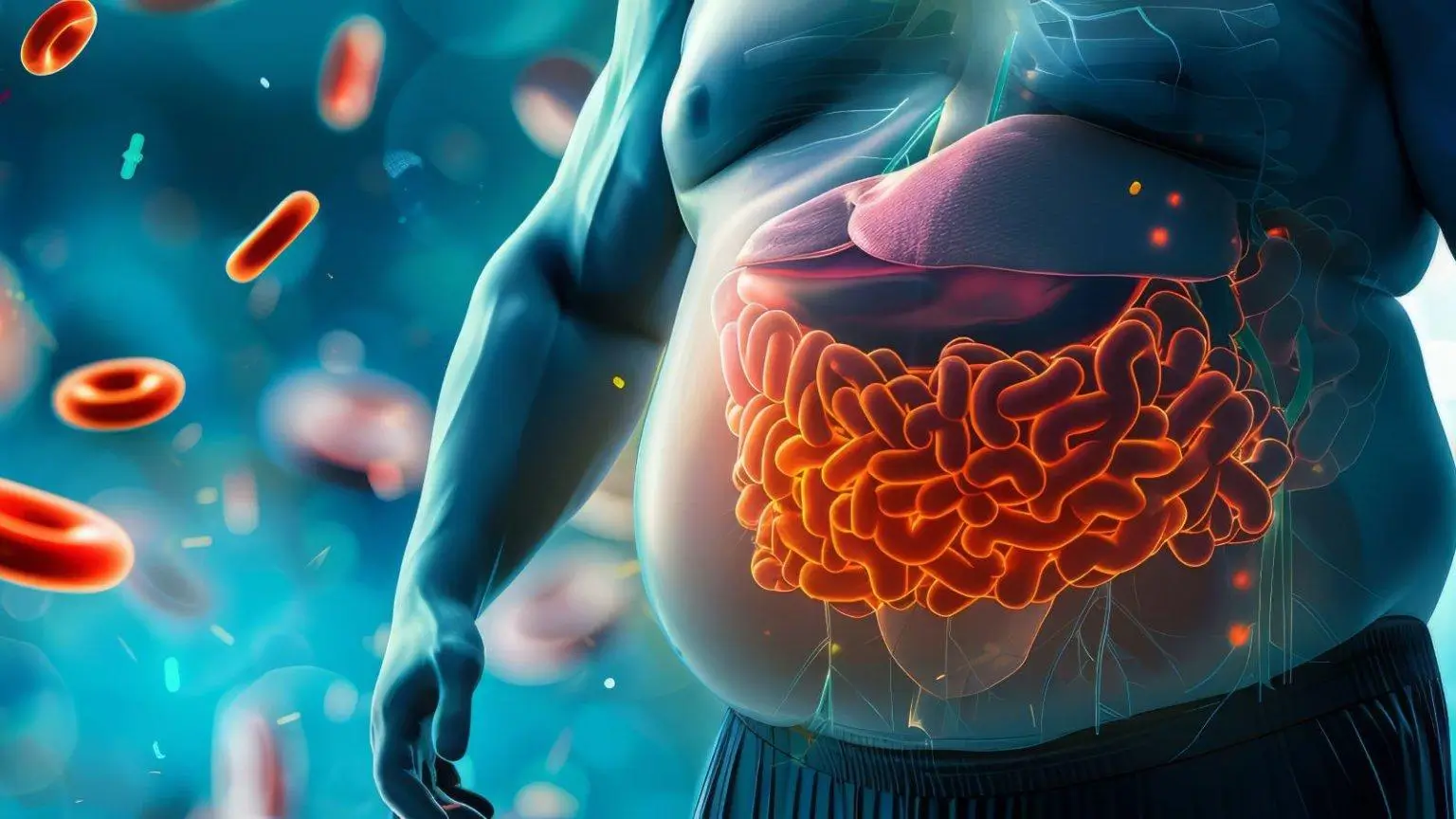
Why won't your belly shrink when you eat less and move more? Explore possible causes of abdominal fat, from insulin and fat metabolism to TCM's view of the spleen, stomach and phlegm-dampness, and how to manage them in healthy ways.
Eat a little less, move a little more. That’s almost always the first approach people think of when they start trying to lose weight. Yet some people cut back at dinner and make an effort to walk briskly after work, only to find that after a month, their weight has barely changed. At their checkup, their blood sugar is still high and their waistline hasn’t noticeably improved. Why can’t they lose weight when they’re trying so hard? The answer may not lie only in how much they eat and move; it’s worth looking at it from other angles too, including what they eat, how hormones are regulated and daily habits. American science journalist Gary Taubes has studied obesity and nutrition for years and proposed a theory of obesity centered on insulin, while Traditional Chinese Medicine (TCM) explains how the body maintains balance through the spleen and stomach’s transformation of food and moderation in eating. Although the two views start from different places, both remind us that weight loss isn’t only about the number on the scale.
Why Can’t You Lose Weight When You Eat Less and Move More?
When it comes to weight loss, the first thing many people think of is a calorie deficit, that is, taking in fewer calories than the body burns.
This is an important principle of weight management, but the body’s energy regulation isn’t just simple arithmetic. The types of food you eat, how full you feel, hormones, sleep, activity level and your individual metabolism can all affect the weight-loss process.
Gary Taubes has offered a different way of thinking about conventional weight-loss ideas. In his books Good Calories, Bad Calories (2007) and Why We Get Fat (2010), he explores how diet composition and hormones affect fat storage.

One of his core arguments is: weight shouldn’t be understood only in terms of calorie intake; we also need to look at how food affects the body’s hormones, with insulin being especially important.
How Does Insulin Affect Fat Storage?
Insulin is an important hormone secreted by the pancreas. One of its main jobs is to help the body regulate blood sugar by moving glucose into cells to be used or stored.
After you eat, blood sugar usually changes as food is digested and absorbed, and insulin is released in response. Besides regulating blood sugar, insulin also affects how fat is stored and broken down.
How Insulin Relates to Fat Metabolism
- After eating: Insulin secretion rises, helping the body use and store nutrients.
- Fat storage: Insulin suppresses fat breakdown, affecting the body’s ability to use fat for energy.
- While fasting: Insulin usually falls, and the body gradually draws more on its stored energy.
Taubes argues that if someone eats large amounts of refined starches and sugars over a long period, insulin may often stay relatively high, affecting fat metabolism and weight management.
He also offers an explanation: when the regulation of fat storage and energy use is disrupted, people may experience fatigue and increased hunger, making weight loss even harder.
However, this is the theory of obesity that Taubes has proposed, and it can’t be reduced to “high insulin always means weight gain.” Insulin itself is a normal and necessary metabolic hormone, and weight changes are influenced by total energy intake, activity level, genetics and other physiological factors together.
Does a Low-Carb Diet Really Make Weight Loss Easier?
Based on the insulin theory, Taubes advocates cutting back on sugar and starch and following a fairly strict low-carb diet.
This way of eating usually centers on meat, fish, eggs, natural fats and low-carbohydrate vegetables, while sharply reducing white rice, bread, sweets and sugary drinks.
Key Ideas of a Low-Carb Diet
- Cut back on refined sugar and sugary drinks.
- Eat fewer refined starchy foods.
- Eat moderate amounts of protein foods such as fish, eggs and meat.
- Eat more vegetables, especially low-starch vegetables.
- Choose suitable fat sources and pay attention to overall dietary balance.
Low-carb diets have attracted a lot of attention in the United States, and many people use them to manage their weight.
However, there’s no consensus among researchers on whether low-carb diets are necessarily more effective than other balanced diets. Studies differ in diet design, duration and participant characteristics, and weight-loss results can vary from person to person.
So a low-carb diet can be a choice for some people, but it doesn’t mean everyone has to give up rice or starch to maintain a healthy weight.
How Does TCM View Weight Loss? The Five Grains Nourish, and the Spleen and Stomach Need Care
If Taubes explains obesity through insulin and fat metabolism, TCM has a different way of looking at the body.
The Huangdi Neijing (The Yellow Emperor’s Classic of Internal Medicine) contains a well-known line:
“The five grains nourish, the five fruits assist, the five meats benefit, and the five vegetables complement.”
This line places the five grains at the heart of a nourishing diet, emphasizing that grains, fruit, meat and vegetables should be combined appropriately, rather than shunning any one food group.
The Spleen and Stomach’s Transformation of Food and Everyday Eating
In TCM theory, the spleen governs transformation and transport, turning the essence of food and drink into the nourishment the body needs.
From this perspective, diet isn’t just about how much you eat; it’s also about whether you eat in moderation, whether your food choices are well combined, and how your digestion is doing day to day.
TCM holds that long-term overeating, irregular eating or lack of appropriate activity may impair the spleen and stomach’s ability to transform food, which is linked to traditional concepts such as the buildup of dampness.
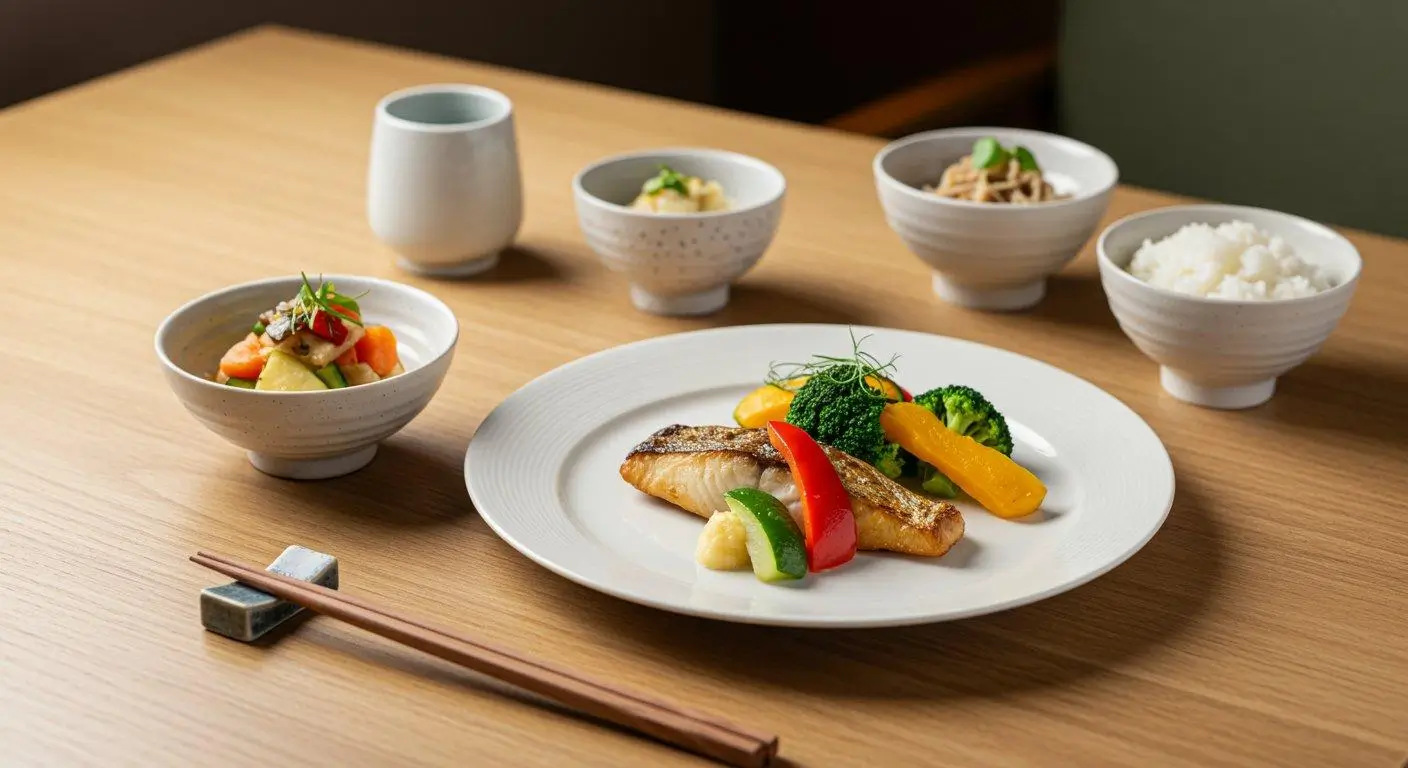
So TCM wellness doesn’t ask everyone to give up rice. Instead, it emphasizes sensible combinations of grains, vegetables and protein foods, moderation in eating, and moderate activity after meals.
Eating Only One Meal a Day, but Your Belly Keeps Growing?
To lose weight, some people deliberately squeeze all their eating into one meal a day, believing that eating less often will naturally cut calories.
But the reality may not match expectations.
For example, someone might not eat until lunch, then, because they’re so hungry, eat a huge amount of rice, noodles and other food at once, and then sit at their desk for hours afterward without much activity.
This eating pattern can raise several issues worth noting:
1. Oversized Single Meals
Eating a large amount at once may cause bigger swings in post-meal blood sugar and insulin and may increase total calorie intake. For some people, going a long time without eating leads to extreme hunger, making it harder to control the size of that one meal.
2. Unbalanced Meals
If a meal consists mainly of refined starches such as white rice and noodles, without enough vegetables and protein, it may be harder to stay full and get balanced nutrition.
3. Sitting for Long Periods After Eating
Sitting or lying down right after eating, combined with long-term lack of activity, may lower your daily energy expenditure. Moderate activity after meals, on the other hand, is an easy lifestyle change to make.
From a TCM perspective, this also brings to mind traditional wellness concepts such as overeating, the spleen and stomach’s transformation of food, and lack of activity.
Keep in mind, however, that a growing belly doesn’t necessarily mean more fat; it can also be related to bloating, constipation or other health factors. If your abdomen remains unusually swollen, seek a medical evaluation.
How to Adjust Your Diet Without Giving Up Rice Entirely
For people used to eating rice every day, suddenly cutting out starch completely is often hard to sustain.
In fact, weight management doesn’t have to start with extreme dieting. You can begin with a few simple, practical habits.
1. Change the Order You Eat In
At meals, eat vegetables first, then protein foods such as fish, meat, eggs or soy products, and finally rice and other staples. This order helps build balanced eating habits and may help some people slow the rise in blood sugar after meals.
2. Watch the Amount and Type of Staple Foods
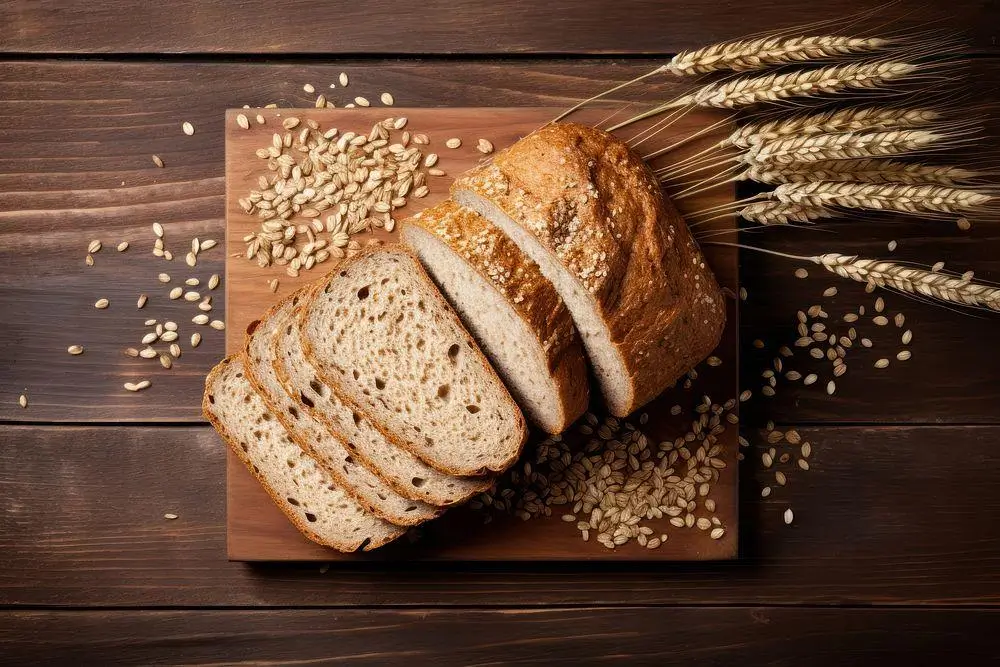
You don’t have to give up rice entirely. Adjust your portion based on your activity level and health, and consider replacing some refined white rice with brown rice, oats or other whole grains.
3. Avoid Overeating
Chew slowly and pay attention to your body’s fullness signals; you don’t need to eat until you’re stuffed at every meal. Eating moderate amounts is easier to sustain than relying on extreme dieting.
4. Take a Walk After Meals
There’s a traditional wellness saying: “Take a hundred steps after a meal.” A walk after eating is a simple daily activity. Start with an easy 10- to 15-minute walk, then adjust based on your fitness.
5. Build Steady Daily Habits
Beyond diet, pay attention to sleep quality, stress and daily activity. All of these can affect appetite, metabolism and long-term weight management.
A Shared Reminder From East and West: Weight Loss Isn’t Just About Willpower
Gary Taubes has prompted us to rethink how diet composition and hormones such as insulin take part in the body’s energy regulation and fat metabolism.
TCM, starting from the spleen and stomach’s transformation of food and the nourishment of the five grains, reminds us to eat in moderation, combine foods sensibly and stay appropriately active.
The two views rest on different theoretical foundations and can’t be treated as the same medical conclusion, but both offer a useful starting point for re-examining our eating and lifestyle habits.
What truly deserves attention isn’t how many fewer bites of rice you ate today, but what you eat over the long term, whether it’s balanced, and whether your lifestyle is sustainable.
Healthcare 520: Paying Attention to Metabolic Health, Starting With Your Daily Diet
Healthcare 520 has long focused on metabolic health, nutrition and everyday wellness, bringing together Eastern and Western health perspectives to help readers understand the relationship between diet and the body more fully.
There is no single weight-management method that works for everyone. From choosing natural foods and adjusting portion sizes to staying regularly active, every step is an important foundation for a healthy life.
To learn more about blood sugar management, metabolic health and everyday nutrition, keep following Healthcare 520.
Health reminder: This article is for general health knowledge and educational reference only and does not constitute a medical diagnosis or treatment recommendation. Gary Taubes’s views are his own theory of obesity, and research on the related dietary strategies has produced mixed results. If you have diabetes, kidney disease or another chronic condition, or are taking medication, consult a doctor or dietitian before changing your diet. Gary Taubes has no affiliation with Healthcare 520.