How Free Radicals Form and Stay in Balance: A Key Factor in Maintaining Health

A balanced diet, regular exercise, good sleep and stress management help the body keep free radicals in balance.
In modern life, free radicals have become a health topic of growing concern. These reactive substances are constantly being produced inside our bodies and are closely linked to our health. This article takes an in-depth look at how free radicals form and where they come from, how they affect the body, and how to keep them in balance, along with effective ways to clear excess free radicals and recommended antioxidant foods.
What Are Free Radicals?
Free radicals are molecules or atoms with an unpaired electron, which makes them very unstable and quick to react with other molecules to gain an electron. Free radical formation is a normal part of human metabolism and plays an important role in energy production and immune responses. Under normal conditions, the body keeps free radicals in balance so their numbers do not threaten health.
However, when the body faces environmental stress or internal imbalance, free radical production can surge. This can be caused by many factors, such as an unbalanced diet, lack of exercise, excessive stress, smoking and environmental pollution. Research suggests that an excessive buildup of free radicals may contribute to the development of many diseases, including cardiovascular disease, cancer and neurodegenerative diseases. Understanding what free radicals are and how they affect the body is therefore key to staying healthy.
Where Free Radicals Come From and How They Form
Free radicals come from two main sources: internal (endogenous) and external (exogenous). Internal free radicals are produced during normal physiological processes, such as oxidation reactions in metabolism and the immune system’s response to pathogens. In moderate amounts, these free radicals support the body’s defense mechanisms and help fight off bacteria and viruses.
External free radicals come from the environment, such as ultraviolet radiation, air pollution, smoking, heavy drinking and an unhealthy diet. These factors not only increase free radical production but also weaken the body’s antioxidant capacity, throwing free radical levels out of balance. Long-term exposure leads to a buildup of free radicals and oxidative stress, which affects health.

How Free Radicals Affect the Body
Excess free radicals affect the body in many ways. First, they attack various molecules inside cells, including proteins, lipids and DNA, causing oxidative damage. This can impair cell function and may lead to cell death or mutation, which can ultimately contribute to diseases such as cancer.
Second, the buildup of free radicals is closely linked to aging. As we age, the body’s antioxidant capacity gradually declines and can no longer effectively clear excess free radicals. This speeds up skin aging, showing up as wrinkles, sagging and age spots. That is why antioxidants are an important tool for slowing aging.
Free radicals may also affect immune function, lowering resistance and increasing the risk of infection and disease. This is one reason the immunity of older adults and people with chronic conditions received so much attention during the pandemic: these groups are already at higher risk from the effects of free radicals and are more vulnerable to outside pathogens.
How to Keep Free Radicals in Balance
Keeping free radicals in balance requires a multi-pronged approach. First, a healthy lifestyle is essential. This includes a balanced diet, moderate exercise, good sleep habits and stress management. Research shows that regular exercise not only improves the body’s antioxidant capacity but also helps clear free radicals.
Second, choosing foods rich in antioxidants is key. For example, foods high in vitamins C and E and beta-carotene can help neutralize free radicals and reduce oxidative damage. Trace minerals such as selenium and zinc also play important roles in the antioxidant process, helping the body produce its own antioxidant compounds and maintain balance.
In addition, reducing environmental triggers, such as avoiding smoking and staying away from polluted air and water, can effectively lower free radical production. In daily life, choosing fresh, pesticide-free foods and washing and cooking food thoroughly are small steps that help reduce free radical buildup.
Everyday Ways to Help Clear Free Radicals
Clearing excess free radicals helps maintain the body’s oxidative balance and overall health. Start with your diet. Eating more natural foods rich in antioxidants, such as fresh fruits and vegetables, nuts and whole grains, provides positive nutritional support. Blueberries, strawberries, spinach and walnuts contain a variety of natural phytonutrients that can help increase your daily antioxidant intake.
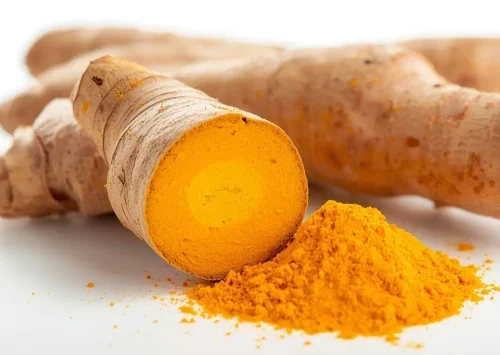
Besides diet, taking a dietary supplement with antioxidant properties is another common health choice today. For example, the Herbtail GlucoMetabol formula contains plant-based ingredients such as curcumin and Siberian ginseng (eleuthero), which are widely used in traditional herbal practice and offer nutritional support and antioxidant properties. Curcumin can help neutralize free radicals, while Siberian ginseng is often used to support the body’s adaptation to environmental stress.
Taking in these plant-based nutrients every day, together with a balanced diet and healthy habits, can be a helpful way to support overall health and metabolic balance.
Recommended Antioxidant Foods
Many everyday foods are considered to have strong antioxidant effects. Tomatoes are rich in lycopene, a powerful antioxidant that can help reduce free radical damage. Strawberries are packed with vitamin C, making them an excellent antioxidant choice. Dark green vegetables such as spinach and broccoli are also rich in antioxidants that help protect cells from damage.
Nuts such as walnuts and almonds contain healthy fats and vitamin E, which can help lower free radical production. And blueberries, often called an antioxidant superfood, contain large amounts of antioxidants in every 100 grams, helping the body resist oxidative stress.
Conclusion: Lifestyle Keys to Keeping Free Radicals in Balance
Free radical production is closely tied to human health. Under normal conditions, free radicals stay in balance, but environmental factors and lifestyle changes can lead to excess production that affects health. Understanding where free radicals come from, how they affect us and how to keep them in balance is essential to managing our health. Through a balanced diet, moderate exercise, good habits and healthy emotional balance, we can effectively clear free radicals, strengthen the body’s antioxidant capacity, protect our health and slow aging.