What Is Qi in Traditional Chinese Medicine? A Practical Guide to Replenishing Qi

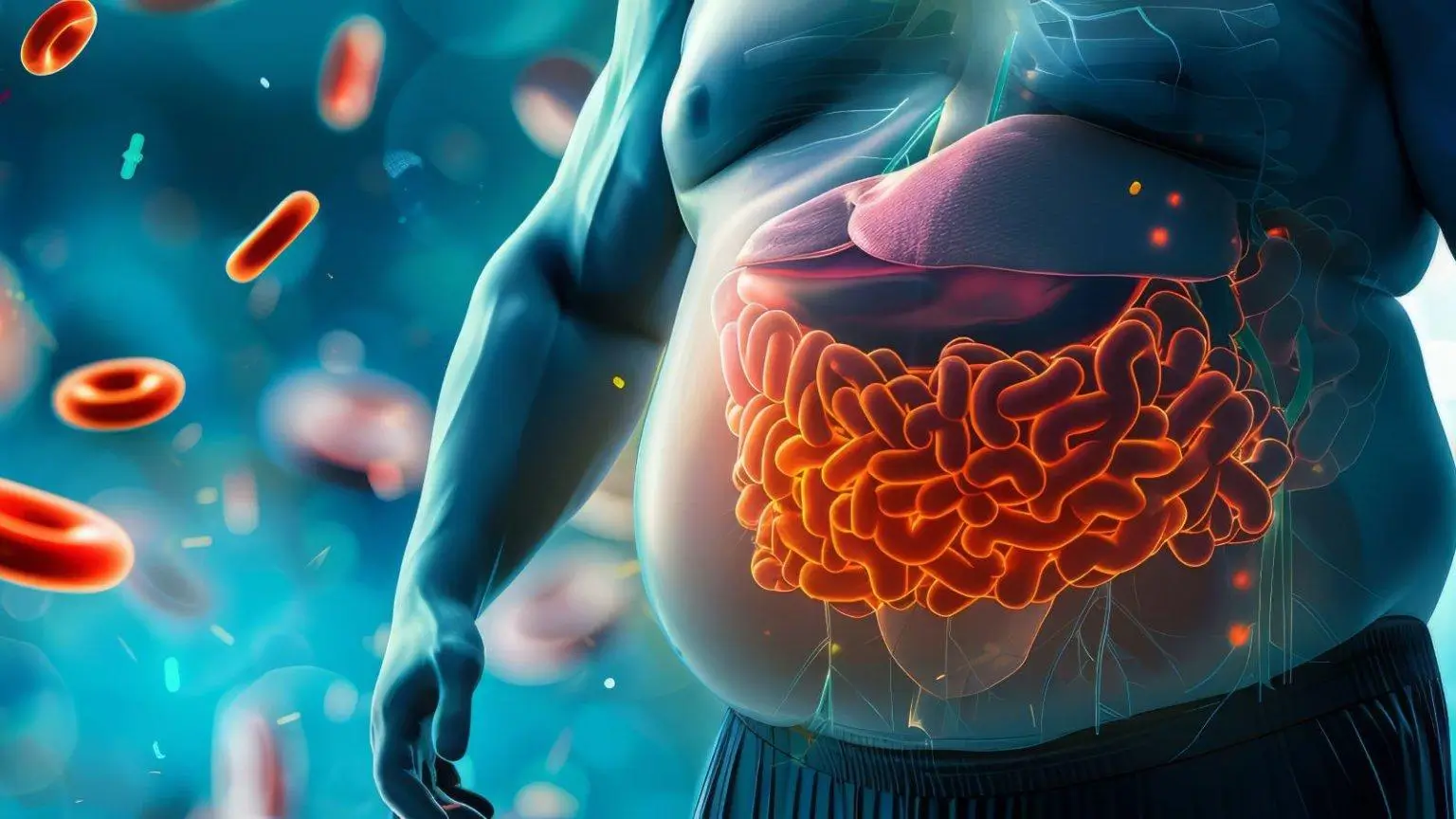
If your digestion is weak, even the most precious tonics are hard to absorb. In TCM, caring for the spleen and stomach is the first step in wellness.
In Traditional Chinese Medicine (TCM), “qi” is an extremely important concept that encompasses the very root of life and the foundation of all physiological activity. Qi comes from three main sources. The first is “prenatal essence,” the physical foundation inherited from our parents, which is stored in the kidneys. The second is the “qi of food and drink,” the energy we get from what we eat. The third is the “clean qi” of nature, which enters the body through breathing. Qi not only carries energy but also plays a protective, immune role and keeps our physiology in balance. That is why TCM considers qi the driving force of life, closely tied to the workings of the organs and meridians.
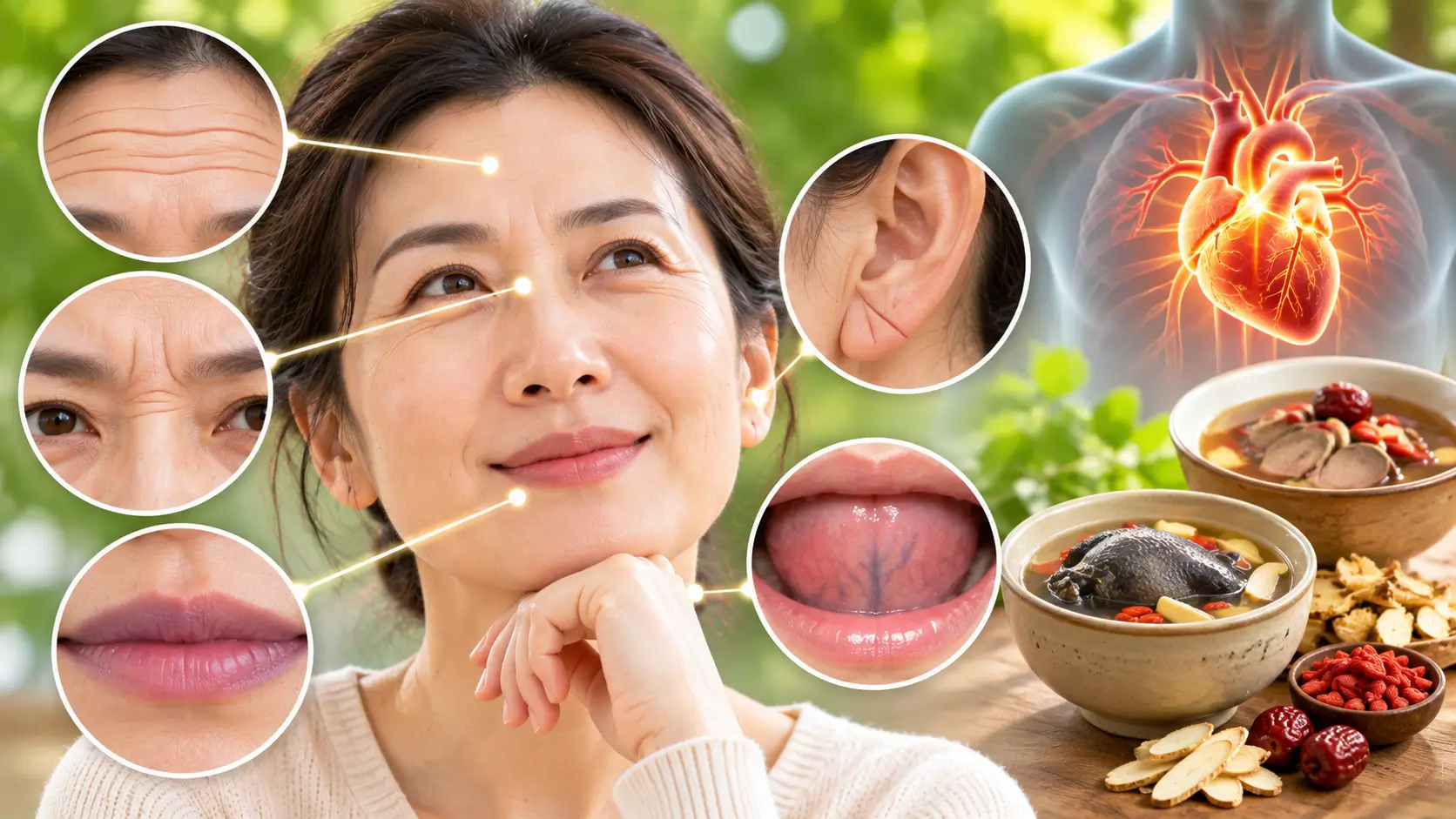
What Are the Signs of Insufficient Qi?
Before discussing how to replenish qi, it helps to understand that a lack of qi can cause many health problems, such as fatigue and weakness, lower immunity, and even impaired organ function. For example, when a person’s liver qi is insufficient, they may experience mood swings and indigestion. That makes replenishing qi especially important, and there are many ways to do it.
Common Qi-Boosting Herbs: Astragalus and Dong Quai
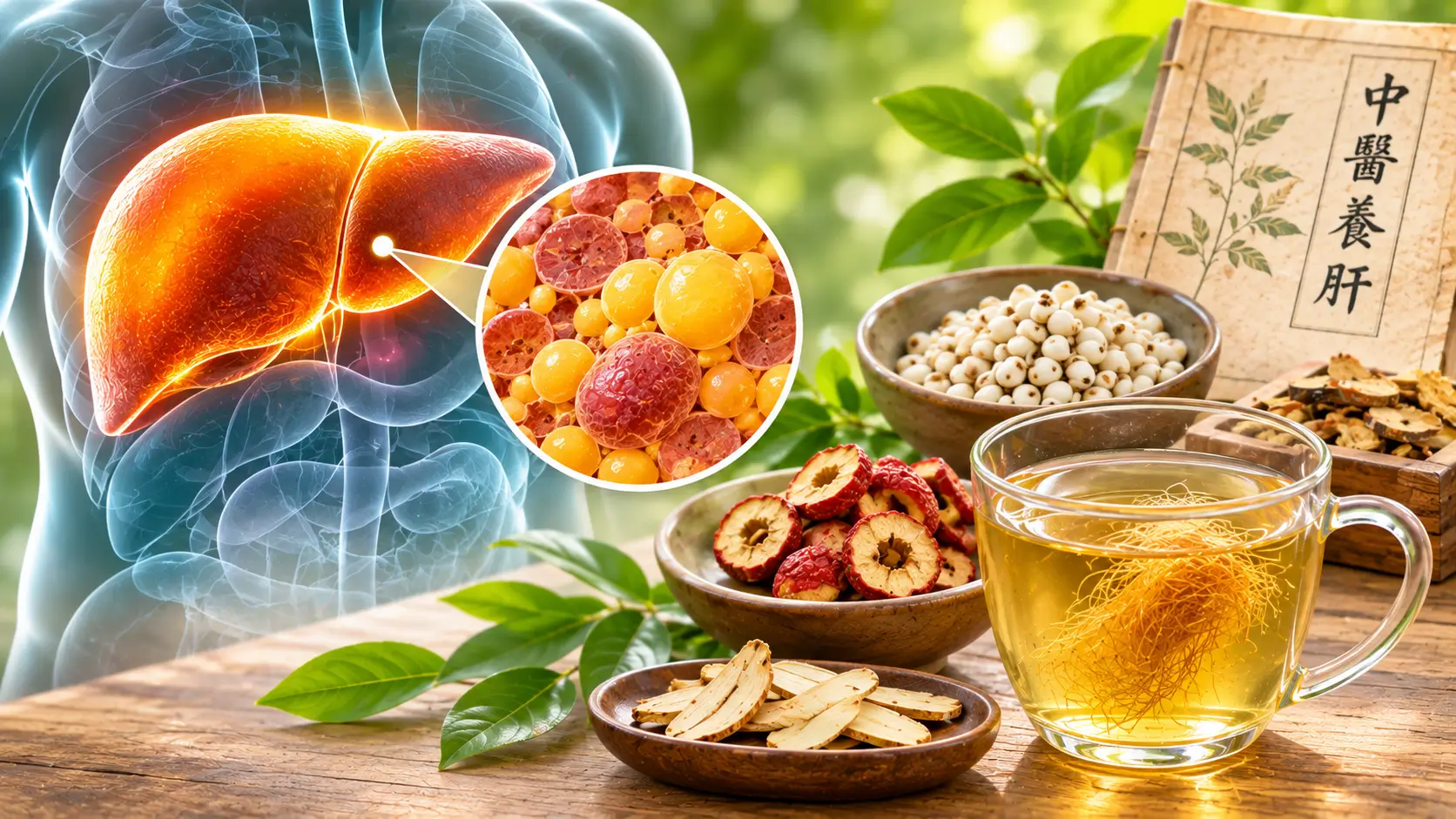
Many herbs in TCM are believed to replenish qi. Astragalus is the most common and appears widely in herbal formulas. It not only supports immunity but also helps the body resist fatigue. Dong quai (angelica root) is another widely used herb that both replenishes qi and nourishes the blood, and it is especially beneficial for women. These herbs can be taken as decoctions, teas or capsules to make them easier to absorb.
Which Foods Help Replenish Qi?
Besides herbs, food plays an important role in replenishing qi. Everyday ingredients such as red dates (jujubes), longan and peanuts are excellent choices. Red dates are known as “nature’s multivitamin” because they are rich in vitamins and trace minerals that help strengthen the body. Longan is believed to calm the mind and support memory, and is often added to soups and congee. Eating high-protein foods such as chicken and fish also provides the nutrients your body needs and helps restore vitality.
Acupressure for Qi: The Neiguan and Taixi Points
Acupressure is another effective way to replenish qi. According to TCM theory, qi flows through many points across the body, which are considered concentrations of energy. Massaging these points can promote the circulation of qi and boost vitality. For example, the Neiguan point (PC6) on the inner wrist and the Taixi point (KI3) at the inner ankle are commonly used to replenish qi. Gentle pressing and massage can help release tension and improve circulation, supporting the flow of qi.
Exercise for Qi: Aerobic Exercise and Tai Chi
Daily exercise is another important part of replenishing qi. Exercise improves circulation as well as lung capacity and cardiovascular endurance. Aerobic activities such as jogging, swimming or tai chi can effectively promote the flow of qi. As your breathing deepens during exercise, qi flows more strongly through the body, further strengthening qi and blood. A consistent exercise habit can also lift your mood and leave you feeling more energetic.
Conclusion: Putting Qi-Replenishing Wellness Into Daily Life
In short, replenishing qi is a comprehensive wellness practice that involves many aspects of life. By understanding where qi comes from and what it does, we can choose the methods that suit us best. Whether through herbs, the right foods, or massage and exercise to improve the flow of qi, each is an effective way to support health. Only by keeping good eating habits and moderate exercise in daily life can we truly achieve the goal of replenishing qi and keep our bodies energized amid the fast pace of modern life.