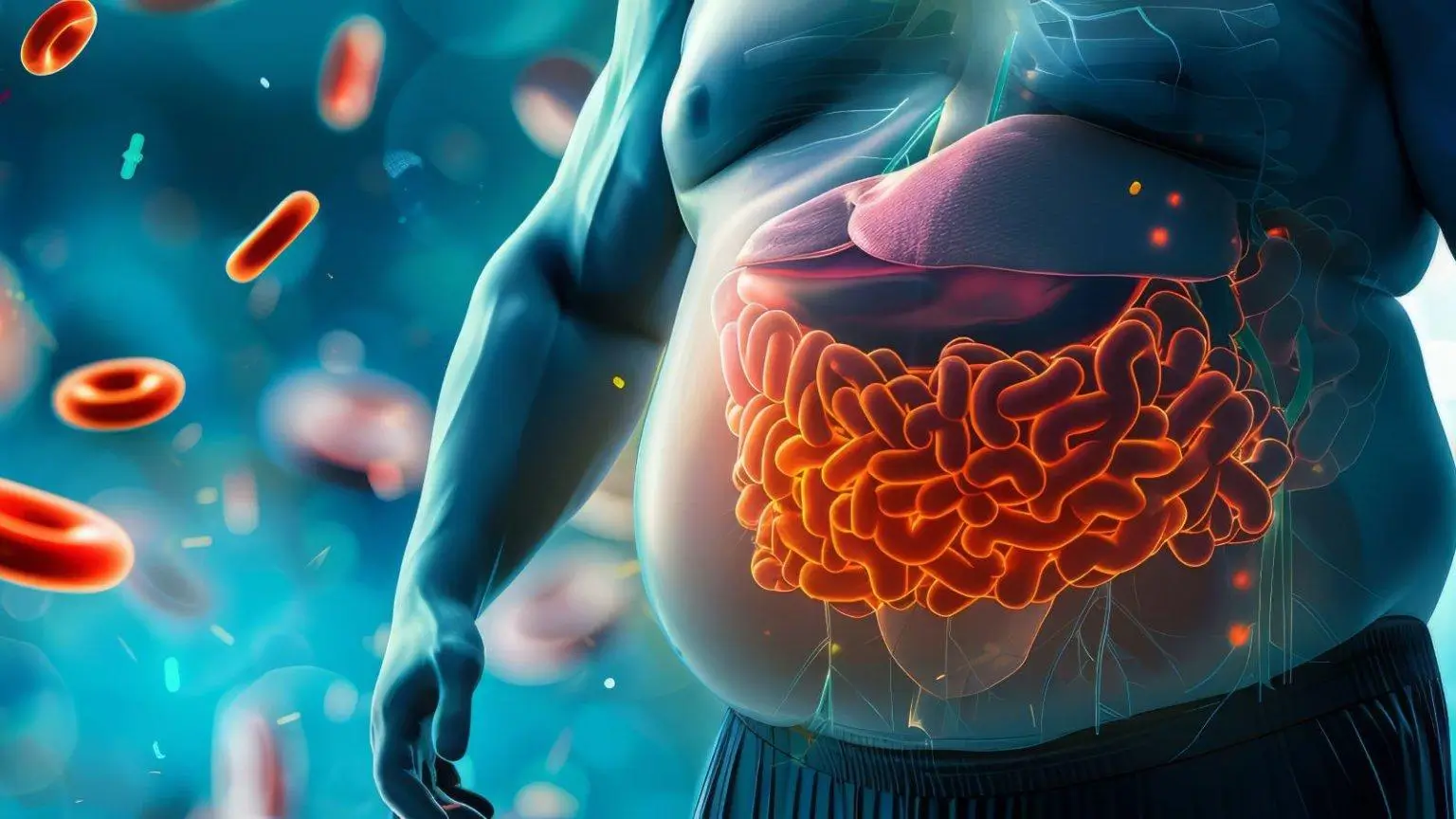
Does Whole Wheat Bread Raise Blood Sugar Faster Than Table Sugar? What an American Cardiologist Says
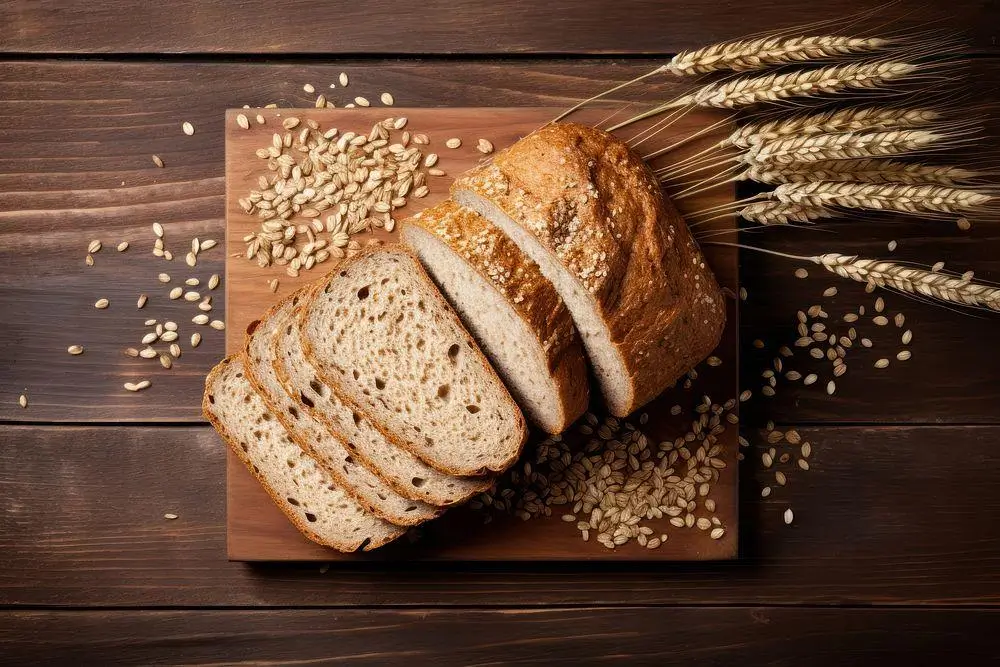
Comparing the glycemic index of whole wheat bread and table sugar to understand how carbohydrates affect blood sugar, and how a balanced diet supports metabolic health.
For the sake of their health, many people have switched from white rice and white noodles to whole grains and now eat whole wheat bread for breakfast. They use less oil when cooking, and their diet looks much healthier than before.
Yet the fat around their belly still won’t budge, they get drowsy not long after eating, and their energy isn’t great.
What’s going wrong? Hasn’t whole wheat bread always been considered healthier than white bread?
American cardiologist Dr. William Davis made an eye-catching argument in his bestselling book Wheat Belly: certain wheat products may cause blood sugar to rise quickly, and some data even suggest that whole wheat bread may have a higher glycemic index than table sugar.
What is this claim based on, and how should we think about whole wheat bread and our everyday staple foods?
Whole Wheat Bread Has a GI of 72, and Table Sugar Only 59?
In Wheat Belly, Dr. William Davis cites a widely discussed set of glycemic index (GI) figures:
- Whole wheat bread: GI about 72
- Table sugar: GI about 59
According to these figures, whole wheat bread actually has a higher glycemic index than table sugar, which upends many people’s assumptions about healthy eating.
However, there’s an important concept to understand first: the glycemic index compares the relative effect of foods on post-meal blood sugar when you eat the same amount of available carbohydrate, not the actual blood sugar change caused by typical servings of two foods.
Different types of bread, preparation methods, ingredients and testing conditions can all affect GI values. So 72 and 59 are reference numbers from specific data and don’t mean every whole wheat bread will raise blood sugar more than table sugar.
Why Might Wheat Products Raise Blood Sugar Quickly?
Dr. Davis believes the issue has to do with a type of starch in wheat called “amylopectin A.”

Starch is a carbohydrate made up of glucose molecules, and depending on its structure, it can be divided into amylose and amylopectin. Davis argues that the amylopectin A in wheat is easily digested and broken down, which may cause blood sugar to rise quickly.
Rising Blood Sugar and Insulin Secretion
When we eat foods containing digestible starch, digestion breaks the starch down into glucose, which enters the bloodstream and raises blood sugar.
To regulate blood sugar, the pancreas secretes insulin, which helps glucose enter cells to be used or stored.
Dr. Davis believes that eating large amounts of easily digested, refined wheat products over the long term may cause repeated swings in blood sugar and insulin that are bad for metabolic health and linked to belly fat buildup.
He calls this type of abdominal obesity “wheat belly.”
However, rising blood sugar doesn’t necessarily lead to visceral fat. Belly fat accumulation involves total calorie intake, activity level, genetics, sleep, hormones and other metabolic factors, and can’t be blamed simply on wheat or any single type of starch.
Dr. William Davis’s Advice: Take a Fresh Look at Wheat Products
Based on this theory, Dr. Davis advocates cutting back on wheat products, not only white bread and cookies, but also whole wheat bread marketed as healthy.
He recommends centering your diet on less processed, natural foods, such as:
- Vegetables: provide dietary fiber, vitamins and minerals.
- Eggs: provide high-quality protein and many nutrients.
- Fish: provides protein and various types of fatty acids.
- Meat: provides protein, iron and B vitamins.
- Nuts: provide unsaturated fats, fiber and minerals.
This approach emphasizes cutting back on highly processed foods and eating a higher proportion of natural ingredients.
Keep in mind, though, that completely eliminating wheat or all grains isn’t something everyone needs to do. Whole grains themselves provide dietary fiber, vitamins and minerals, and whether you need to limit them depends on your health and overall diet.
In Fairness: Is Wheat Really That Bad?
Although Wheat Belly was a bestseller, it also stirred considerable controversy in the nutrition community.
The Cereal & Grains Association (formerly the American Association of Cereal Chemists) issued a professional response to some of the book’s claims, citing a large body of research and questioning its statements about modern wheat, breeding methods and health effects.
One of the claims under debate is that modern wheat has changed dramatically through cross-breeding and has therefore become a major cause of modern obesity and metabolic disease.
Claims like this have not achieved sufficient scientific consensus, and complex health problems such as obesity and diabetes can’t be blamed simply on modern wheat.
Why Might Table Sugar Have a Lower GI?
Another detail worth noting is that table sugar is made up differently from the starch in bread.
Ordinary sucrose consists of roughly half glucose and half fructose. Fructose raises blood sugar less directly than glucose does, so table sugar may have a lower GI than some breads.
But this absolutely does not mean sugar is healthier, or that you can eat lots of sugar without worry.
The GI is just one measure of how a food affects blood sugar after eating and can’t be used alone to judge a food’s overall nutritional value. The fiber, protein, fat, total calories and actual serving size of a food are just as important to consider.
A more sensible view is this: there’s no need to treat wheat as poison, but don’t assume you can eat it without limits just because the package says “whole wheat” or “healthy.”
Wheat on the Chinese Dinner Table Is More Than Whole Wheat Bread
When people think of wheat, many first think of bread. But in Chinese households, wheat products come in many more forms.
Common wheat foods include:
- Mantou (steamed buns): made from wheat flour and a common staple food.
- Baozi (filled buns): a flour wrapper with a meat or vegetable filling.
- Noodles: many kinds of noodles are everyday staples.
- Dumplings: a flour wrapper, usually filled with meat and vegetables.
- Youtiao (fried dough sticks): made from flour and deep-fried, usually high in fat.
So when discussing wheat and blood sugar, it’s not enough to look at whether you eat whole wheat bread for breakfast; you should also pay attention to how much mantou, baozi, noodles and other wheat foods you usually eat.
Why Can Some People Eat Wheat Foods Every Day Without Clear Changes in Blood Sugar?
Different people can have very different blood sugar responses to the same food.
In 2015, Israel’s Weizmann Institute of Science published a study in the journal Cell in which researchers monitored the blood sugar of 800 participants continuously for a week.
The study found that even after eating the same food, different people’s post-meal blood sugar responses could vary considerably. This means a food’s average GI alone can’t fully predict any one person’s blood sugar response.
Factors That Affect Individual Blood Sugar Responses
1. Portion Size
Even if foods have the same GI, how much carbohydrate you actually eat still affects your post-meal blood sugar. Portion size is an important consideration in managing your diet.
2. Food Combinations
Eating a plain white mantou by itself and eating a balanced meal with vegetables and protein may produce different levels of fullness and post-meal metabolic responses.
3. Individual Metabolic State
Age, insulin sensitivity, gut bacteria, activity level and personal health can all affect blood sugar responses.
4. Daily Activity Level
In the past, daily life required a lot of walking and physical labor, which burned off the energy people ate. Today, many people sit at work for long hours, and if they don’t adjust their portions accordingly, they may be more likely to take in excess energy.
So just because some people seem fine eating wheat foods doesn’t mean everyone can eat them without limits.
How Does TCM View Wheat, Starch and Belly Fat?
From a Traditional Chinese Medicine (TCM) perspective, diet is closely tied to how the spleen and stomach transform food.
TCM holds that the spleen and stomach transform the essence of food and drink into the nourishment the body needs. If you overeat for a long time, favor sweet, rich foods and don’t get enough activity, the spleen and stomach’s transforming function may be impaired, leading to what TCM traditionally calls phlegm-dampness.
So TCM wellness isn’t simply about cutting out one particular food; it emphasizes eating in moderation, balanced combinations and a regular lifestyle.
The Huangdi Neijing Warned Long Ago: Don’t Overindulge in Sweet, Rich Foods
The Huangdi Neijing (The Yellow Emperor’s Classic of Internal Medicine), in the “Treatise on Unusual Diseases” chapter of the Suwen, says:
“This person must often eat sweet and delicious food and much rich food. Rich food creates internal heat, and sweet food creates fullness in the middle, so the qi overflows upward and turns into wasting-thirst.”
This passage describes how a long-term preference for sweet, rich foods may be linked to imbalance in the body and to problems such as “wasting-thirst.”
In traditional medicine, “wasting-thirst” (xiaoke) was an ancient description of a group of conditions characterized by thirst, drinking a lot and frequent urination. It overlaps in some ways with modern diabetes, but the two can’t be treated as exactly the same.
From a TCM perspective, eating overly sweet, rich and refined foods over the long term, combined with too little activity, may disrupt the spleen and stomach’s transformation of food and lead to a buildup of phlegm-dampness.
Dr. Davis, meanwhile, discusses the relationship between diet and belly fat in terms of starch digestion, blood sugar and insulin.
The two rest on different theoretical systems, but both remind us that long-term overeating and a diet heavy in refined, sweet and rich foods is not an ideal way to eat healthily.
Should You Eat Less Whole Wheat Bread? How to Adjust Your Everyday Diet
After reading this far, there’s no need to rush to throw out all the bread, mantou and noodles in your home.
A more practical approach is to take a fresh look at your daily staple portions and food combinations and gradually build more balanced eating habits.
1. Don’t Just Look for “Whole Wheat” on the Package
When buying bread, check the ingredient list to see whether whole grains are the main ingredient and whether too much sugar, fat or other processed additives have been added.
Genuine whole grain foods provide dietary fiber and many nutrients, and there’s no need to reject all whole grains just because some wheat products may have a higher GI.
2. Cut Back on Excess Refined Starch
If you often eat a lot of white bread, white mantou, noodles or desserts, start by moderately adjusting your portions, so that not every meal is built around large amounts of refined starch.
3. Add More Vegetables and Quality Protein
At each meal, add some dark leafy greens, fish, eggs, beans or other quality protein sources to diversify your diet and help you feel full.
4. Notice How You Feel After Meals
If you tend to feel tired or get hungry again quickly every time you eat a lot of noodles or bread, keep a record of what and how much you ate and how your body responded.
But feeling sleepy after a meal doesn’t necessarily mean your blood sugar is too high. If you often experience marked fatigue, thirst, frequent urination or other unusual symptoms, get a medical evaluation rather than judging your blood sugar based only on how you feel after eating.
Conclusion: Truly Healthy Eating Isn’t Just Choosing Whole Wheat Over White Bread
Is whole wheat bread always healthier than white bread? The answer can’t be decided by a single GI number.
Dr. William Davis’s wheat theory prompts us to rethink refined starch, blood sugar responses and our choice of everyday staples, while modern nutrition research tells us that blood sugar responses can vary greatly from person to person.
From TCM’s “spleen and stomach transformation” to modern metabolic health, what truly deserves attention is the overall quality of your diet, your portion sizes and your lifestyle habits.
There’s no need to give up bread or rice entirely because of one article. Start by cutting back on excess refined starch, eating more vegetables and natural foods, and adjusting your diet to your own health.
Health isn’t about labeling any single food as absolutely good or bad; it’s about finding a way of eating that truly suits you and that you can sustain for the long term.
Healthcare 520 will continue sharing information on blood sugar management, metabolic health, nutrition and TCM wellness to help you build a healthier life, starting with your everyday diet.
Health reminder: This article is for general health knowledge and educational reference only and does not constitute a medical diagnosis or treatment recommendation. The glycemic index is affected by the type of food, how it is prepared and how it is measured, and should not be used alone to judge how healthy a food is. People with diabetes or other chronic conditions should consult a doctor or dietitian before changing their diet. Dr. William Davis has no affiliation with Healthcare 520.